Article content
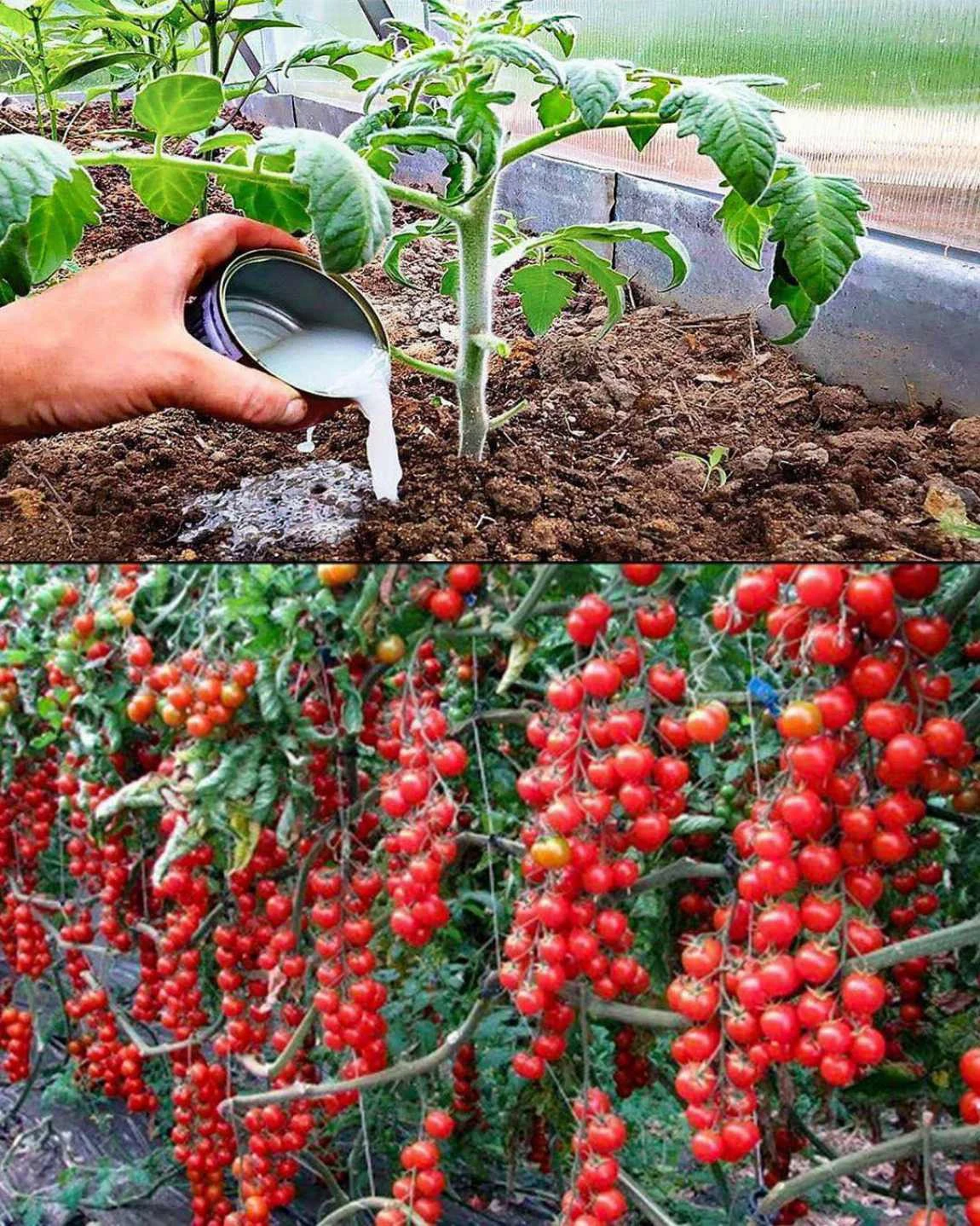
Baker’s yeast, commonly used in the kitchen for baking bread or buns, has surprisingly wide applications in gardening. This cheap, readily available and eco-friendly remedy is literally packed with nutrients that support plant vitality, accelerate growth and help keep your garden in perfect condition – without using chemicals.
Why use baker’s yeast as a fertilizer?
Baker’s yeast contains B vitamins, amino acids, magnesium, potassium and other micronutrients that have a positive effect on plant metabolism. Regular application helps develop a strong root system, improves nutrient uptake from the soil and stimulates the plants’ immune defenses.
Main benefits of using yeast:
- Support for root growth – a stronger root system means healthier, more resilient plants.
- Increased yield – more fruits, larger flowers, more vigorous growth.
- Disease and pest prevention – yeast helps activate the natural defenses of plants.
- Improvement of soil quality – nutrients from yeast support soil microorganisms.
Recipe: Yeast solution as a natural fertilizer
Preparing the solution is simple and anyone can do it. The result is an effective fertilizer that you can use both at the roots and as a foliar spray.
Ingredients:
- 10 g fresh baker’s yeast
- 1 tablespoon sugar
- 1 liter lukewarm water
Procedure:
- Crumble the yeast into a container and add the sugar.
- Pour in the water and mix well.
- Let the mixture stand for 15 minutes in a warm place.
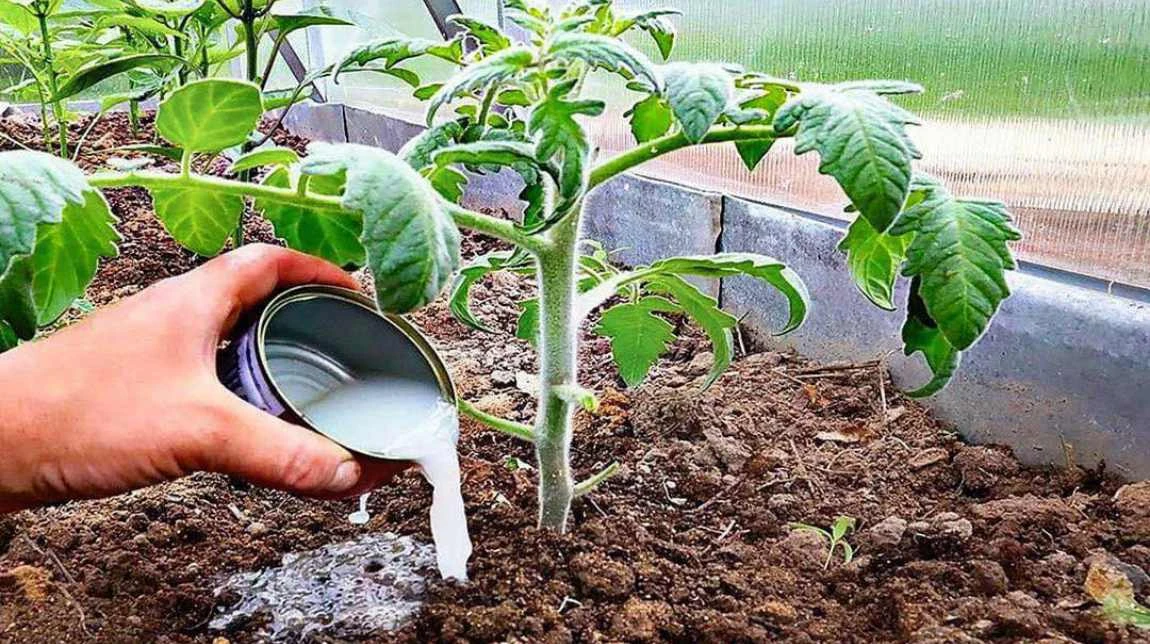
- Apply to the roots or as a fine spray on the leaves.
Use 1× every 14 days for plants in garden beds and 1× per month for potted plants.
Important tips for application
- Do not exceed the recommended dosage.
- Apply in the morning or evening, never in direct sunlight.
- Combine with other natural remedies, e.g. nettle infusion or compost.
Eco-friendly and affordable solution
Using baker’s yeast is effective, inexpensive and gentle on the environment. Unlike industrial fertilizers, they do not leave harmful residues in the soil and are also suitable for organic cultivation of vegetables and herbs.
Share your experiences
Do you have your own experience with yeast in the garden? Write to us! Follow our website for more eco-friendly tips and inspiration on how to support the growth of your plants naturally.