Article content
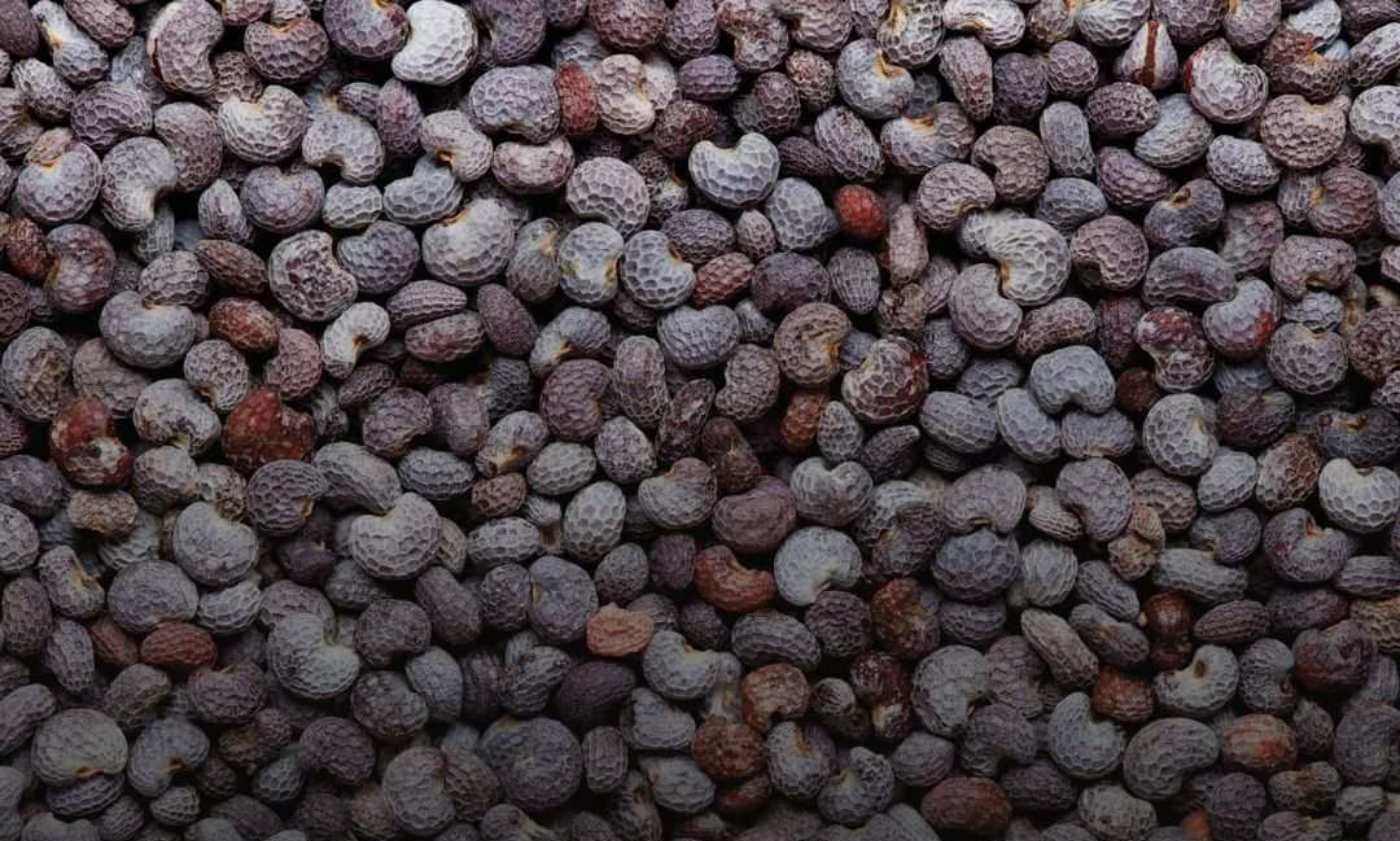
Poppy belongs among the traditional ingredients of Czech cuisine, yet only a few people know its true nutritional potential. These small dark seeds are literally a nutritional concentrate – they contain an exceptionally high amount of calcium, iron, magnesium and quality plant fats. That is why poppy is often recommended as part of a varied diet, especially for women, seniors and people with higher mineral needs.
Unlike many modern dietary supplements, poppy is a natural, accessible and inexpensive food that has deep roots in Czech cuisine.
Why poppy is so nutritionally valuable
One of the most notable features of poppy is its extremely high calcium content. In 100 grams of ground poppy seeds there is approximately 1 400 mg of calcium, which is significantly more than in milk or yogurt. Thanks to this, poppy can contribute to the maintenance of normal bones and teeth, especially when included in the diet over the long term.
Besides calcium poppy also contains:
- iron – important for blood formation and oxygen transport
- magnesium – supports the nervous system and muscles
- zinc – important for immunity and hormonal balance
- unsaturated fatty acids – contribute to normal cholesterol levels
- fiber – supports digestion and gut health
Thanks to this combination, poppy is a suitable part of the diet during increased mental stress, fatigue or an unbalanced diet.
Poppy and bones, blood and the nervous system
Regular consumption of poppy can replenish the minerals the body needs for normal functioning. Calcium and magnesium play a role in maintaining bone strength, while iron is important for the production of red blood cells.
Poppy also contains substances that contribute to the normal function of the nervous system. Because of this it is often associated with a feeling of calm and support for quality sleep, especially if it is part of an evening meal in reasonable amounts.
It is important to emphasize that poppy is not a medicine, but a valuable food that can appropriately supplement a balanced diet.
How to consume poppy correctly
For the body to use the nutrients contained in poppy as best as possible, proper preparation is essential:
- whole poppy seeds are harder to digest
- poppy is best freshly ground
- cooking improves its digestibility
The recommended amount for a regular diet is 1–2 teaspoons daily, ideally in combination with other foods.
Practical recipes with poppy
1. Poppy porridge for strong bones
Ingredients:
- 2 tablespoons ground poppy seeds
- 250 ml milk or plant-based drink
- 1 teaspoon honey
- a pinch of cinnamon
Method:
Briefly simmer the poppy in the milk, sweeten with honey and flavor with cinnamon. Serve warm for breakfast or as a light supper.
2. Yogurt with poppy and fruit
Ingredients:
- plain yogurt
- 1 tablespoon ground poppy seeds
- fresh fruit
- a few nuts or seeds
Method:
Mix everything just before eating. An ideal snack with a high calcium content.
3. Poppy spread with honey
Ingredients:
- 3 tablespoons ground poppy seeds
- 1 tablespoon honey
- a little warm water or milk
Method:
Mix until smooth. Suitable for bread or porridge.
4. Traditional poppy filling
Ingredients:
- 200 g ground poppy seeds
- 200 ml milk
- sugar or honey to taste
- lemon zest
Method:
Simmer the poppy in milk, sweeten and flavor. It is used in buns, strudels or cakes.
How to store poppy properly
Poppy seeds are sensitive to light, heat and air. To prevent them from becoming bitter and losing nutrients:
- store them in a dry, dark and cool place
- ideally in a closed glass container
- consume ground poppy as soon as possible, ideally within a few days
- whole poppy lasts longer, but always grind it just before use
Conclusion
Poppy is an unassuming but exceptionally valuable food that has a firm place in Czech cuisine. Thanks to its high content of calcium, iron and healthy fats, it can be a valuable addition to a varied diet, especially during periods of increased strain or higher demands for minerals.
A small amount, consumed regularly and properly prepared – and a traditional ingredient turns into a modern nutritional treasure.