Article content
A lack of vitamins and nutrients can lead to the development of many serious diseases. Although many people do not realize it, vitamins and minerals play a key role in our health. Most people usually do not appreciate the importance of these nutrients until health problems appear.
But it’s good to think about it in time! Providing the body with the necessary nutrients from an early age can help you avoid later health complications. If any signs of vitamin deficiency appear, it’s a good idea to consider your diet and possibly start supplementing the missing nutrients. In the following article we will look at 5 common symptoms that may indicate you have a deficiency of vitamins or nutrients.
1. Bleeding gums
If you have problems with bleeding gums, it may be a sign of a deficiency in vitamins A and C. These vitamins are essential for the health of the skin, mucous membranes and blood vessels. A lack of these nutrients can also cause swollen joints. If you want to solve this problem, include more foods rich in vitamins A and C in your diet, such as broccoli, bell pepper, rose hips, kiwi or strawberries.
2. Pale lips
Pale lips can be a sign of iron deficiency. Iron is key for the production of hemoglobin, which ensures the proper supply of oxygen to your tissues. If you also suffer from frequent fatigue, you should focus on iron-rich foods. The best sources of iron include seaweed, spinach, raisins, lentils, dark chocolate and dark green leafy vegetables. If you’re not sure whether you have enough iron, we recommend visiting a specialist.
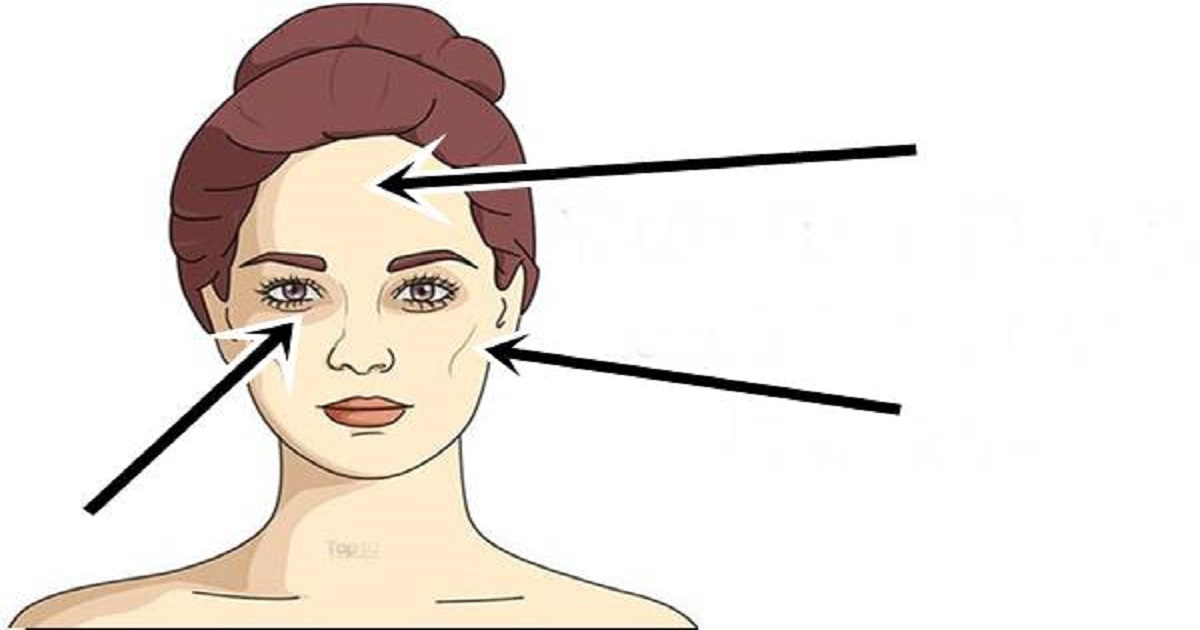
3. Pale complexion
A pale complexion may be a sign of vitamin B12 deficiency. This vitamin is important for the production of red blood cells and the proper functioning of the nervous system. In addition to pale skin, chronic fatigue is often present with a vitamin B12 deficiency. Foods that can help replenish vitamin B12 include eggs and cheeses. If you suspect a vitamin B12 deficiency, it is recommended to consult a doctor who can prescribe dietary supplements.
4. Swollen eyes
Swollen eyes can have several causes, including allergies, iodine deficiency, or thyroid problems. The most common cause is an iodine deficiency. Iodine is essential for proper thyroid function and overall metabolism. If you want to replenish iodine, focus on foods such as seafood, seaweed, eggs, kefir and beans. If you frequently have swollen eyes, it is important to undergo an examination to determine the cause of this problem.
5. Dry, split hair
A deficiency of vitamin B12 can cause dry and brittle hair. This vitamin is important for skin health and the proper growth phase of hair. If you have dry and brittle hair, try including more green peas, nuts, sunflower seeds, avocado, mushrooms and legumes in your diet. Supplementing vitamin B12 can help improve the health of your hair and restore its shine and strength.
Conclusion: How to avoid vitamin deficiencies?
If any of the above symptoms appear, it’s important to respond promptly and modify your diet. Each vitamin and mineral has an irreplaceable role in our body, so it’s good to pay attention to what we eat. If you suspect a deficiency, it’s best to consult a doctor or nutritionist who can recommend appropriate supplements or dietary changes.