Katie Garner's Miraculous Transformation: From 160 kg to a Successful Model in One Year

0
(0)

Jan , 18. 12. 2025

Article content

Just a year ago Katie Garner was an ordinary young woman who, because of being overweight, couldn’t fit through doors. Today? She is a confident and successful model who inspires thousands of people around the world. Her story is not about a miraculous diet or a secret product from the internet. It’s about a decision, discipline, and an incredible transformation that began with a sad event – the death of her grandfather.

How did Katie gain up to 160 kilograms?

Katie never worried about what she ate. Her diet was full of fatty, greasy and highly caloric foods. Sweets, fast food and portions larger than an average person can handle. The result was a gradual transformation of her body into something that began to impede her everyday life.

The turning point came after a family tragedy

The turning point came when Katie’s beloved grandfather died. This loss made her reassess her entire life. She decided to take her fate into her own hands. Not for others, but for herself.

What did Katie change in her life?

First she adopted a regular routine and started eating breakfast. Instead of fried and heavy meals she focused on fresh fruit, vegetables, whole grain products and lean proteins. Processed ready meals and sugary drinks disappeared from her diet.

She gradually added physical activity – brisk walking, home workouts, later regular training. The result was not only weight loss but also more energy and a better mood.

Result? From half a woman to a full-fledged model

In one year Katie lost an incredible 80 kilograms. She changed her entire approach to life. Today she has healthy self-confidence and enjoys solid health. Her transformation also attracted modeling agencies – and Katie became the face of several campaigns.

Inspiration for everyone

Katie proves that life change is possible. You can start anytime. Just adjust your diet, start moving and be persistent. Every step counts. Results will come – just like they did for Katie.

Find more inspiring articles at iRecept.cz.

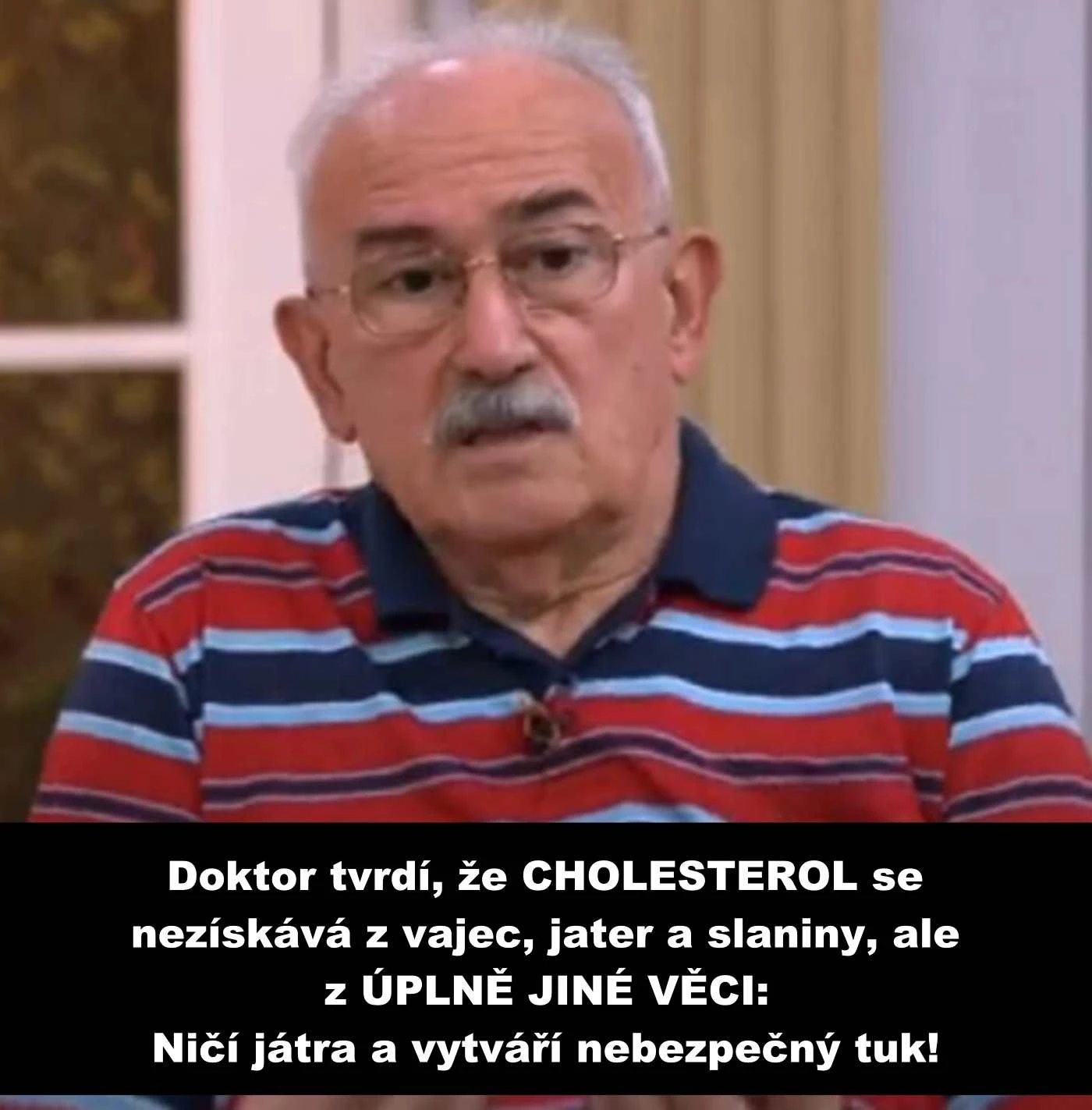
Cholesterol and sugar: what really raises LDL and how to protect the liver

Eggs, liver and bacon are often labeled as the main culprits of high cholesterol. The reality is more complex. For most people, dietary cholesterol has only a limited effect on blood cholesterol levels. Much more important is the overall diet, the proportion of saturated and trans fatty acids, intake of added sugars, body weight, genetics and lifestyle. Below you will find a balanced overview of what the facts say – without myths and shortcuts.

What cholesterol is and why the body needs it

Cholesterol is a fatty substance essential for building cell membranes, producing hormones and vitamin D. In the blood it is carried in the form of lipoproteins. LDL ("bad") carries cholesterol to tissues, HDL ("good") takes it back to the liver. The goal is to keep LDL low and HDL in an appropriate range.

Dietary cholesterol vs. saturated fats and trans fats

In most healthy people, dietary cholesterol (e.g., from eggs) has only a small effect on LDL. A much stronger factor is saturated fats (fatty processed meats, high-fat cheeses, large amounts of butter) and trans fats (industrially hydrogenated fats), which raise LDL and can lower HDL. Eggs are also a source of nutrients (e.g., choline), so for most people they can be part of a balanced diet.

How added sugars and refined carbohydrates worsen the blood lipid profile

High intake of added sugars and refined carbohydrates (sweetened drinks, sweets, white bread) raises triglycerides and promotes the development of nonalcoholic fatty liver disease (NAFLD). The liver then more often releases VLDL/LDL particles and the overall lipid profile worsens. The liver is particularly harmed by excess fructose from sweetened drinks and syrups.

The role of choline and "healthy" fats

Choline (eggs, lean meat, legumes) helps form and export fat particles from the liver, thereby supporting its normal function. Monounsaturated and polyunsaturated fats (olive oil, nuts, seeds, fish) can lower LDL and some fractions of inflammatory lipids, if you also limit saturated fats and added sugars.

When eggs can be a problem

For a portion of the population with a genetic burden (e.g., familial hypercholesterolemia) or for people with very high LDL, even dietary cholesterol can play a larger role. In such cases, individual recommendations from a physician and a nutrition therapist are decisive.

Practical meal plan for healthy lipids and liver

  • Limit added sugars: sweetened drinks, confectionery, excess white-flour baked goods.
  • Prefer unsaturated fats: olive oil, rapeseed oil, nuts, seeds, avocado, fatty sea fish twice a week.
  • Reduce saturated fats and avoid trans fats: processed meats, fast food, toppings made from partially hydrogenated fats.
  • Eat enough protein: fish, poultry, eggs, legumes, fermented dairy products – they support satiety and muscle maintenance.
  • Fiber: vegetables, fruit, whole grains, legumes – soluble fiber helps lower LDL.
  • Alcohol in moderation: excess increases triglycerides and burdens the liver.
  • Hydration and exercise: 150–300 minutes of moderate activity per week (brisk walking, cycling), strength training twice weekly.
  • Body weight: even a 5–10% weight reduction can noticeably improve triglycerides and LDL.

Key takeaway: it's not "forbidden eggs", but the overall dietary pattern

For most people, eggs or liver alone do not "cause" high cholesterol. The key is the combination of fewer saturated fats, less added sugar and more unsaturated fats, fiber and exercise. If you have high LDL, a family history or liver disease, discuss a specific eating plan with your doctor – sometimes pharmacotherapy (e.g., statins) is also necessary.

18. 12. 2025 Jan
0
(0)