Article content
Maybe you consider it just a common weed, but neglected mallow (Malva neglecta) is one of the most valuable herbs nature offers. This unassuming plant holds enormous healing power and in the past belonged in every monastic garden and household medicine chest. Today herbalists are rediscovering it – and it’s no wonder. Mallow has wide uses for health, beauty and everyday care.
What is neglected mallow
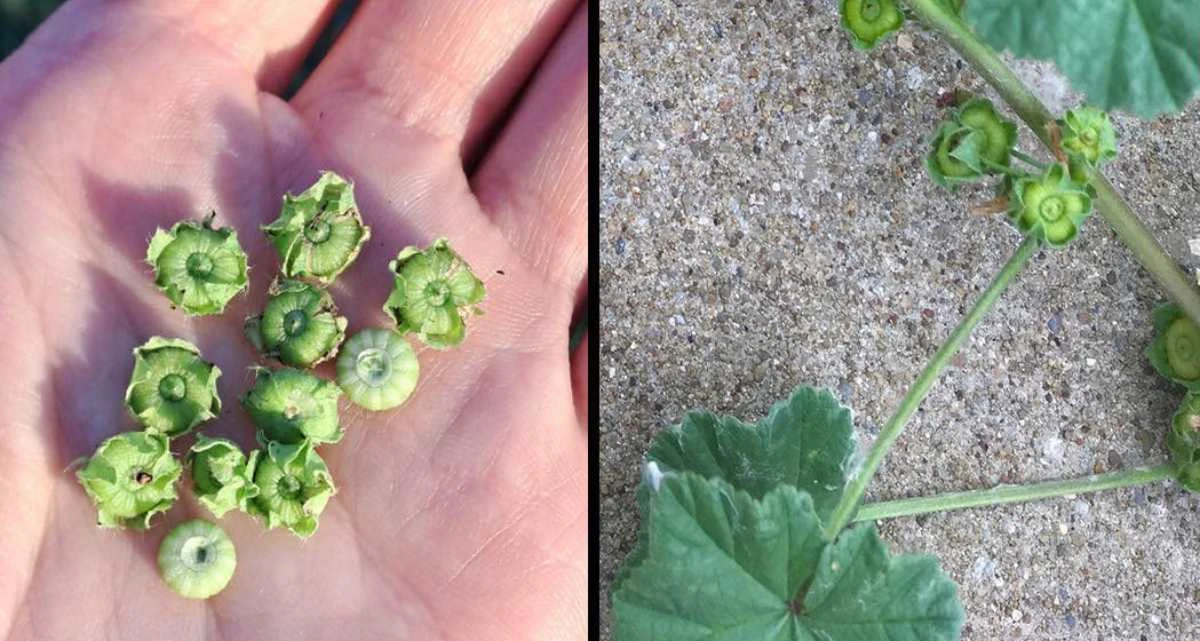
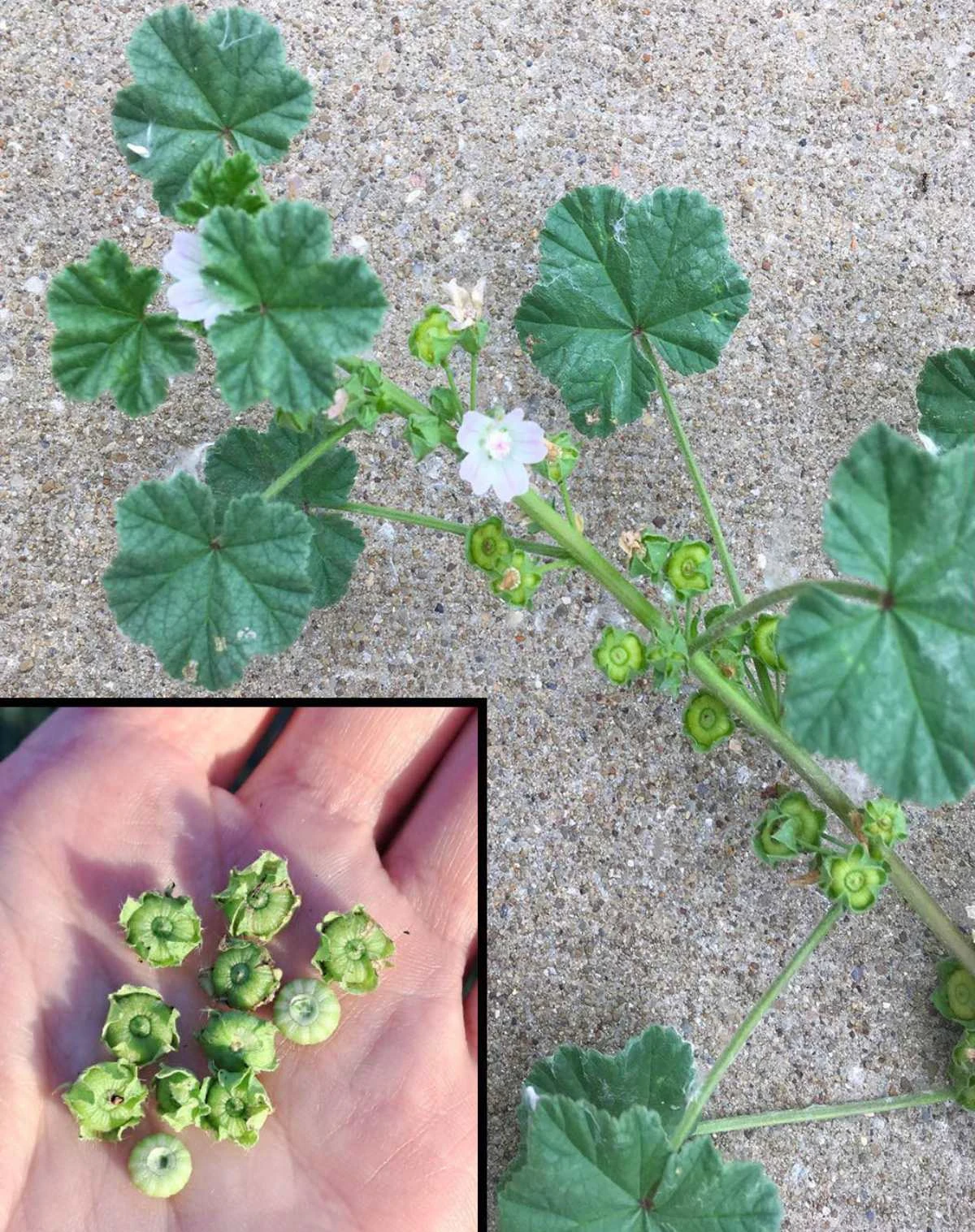
Neglected mallow is a low, creeping plant with round leaves and delicate pink flowers. It grows almost everywhere – by fences, in fields, meadows or right in the garden. Its greatest advantage is that it is undemanding, easily accessible and at the same time very effective.
The plant contains mucilaginous substances, tannins, flavonoids and vitamins A and C. These natural compounds have the ability to soothe irritation, support regeneration and protect mucous membranes and skin.
In folk medicine both flowers and leaves are used, sometimes even the whole above-ground parts of the plant.
Health benefits of neglected mallow
Mallow belongs to the so-called „soft herbs“ – that is, plants that calm, heal and protect. They act gently yet very effectively.
1. Helps with coughs and respiratory tract inflammations
The mucilaginous substances contained in mallow coat irritated mucous membranes, soothe the throat and suppress coughing. Mallow tea is often combined with plantain or coltsfoot, creating a strong mixture against cough.
2. Relieves digestion
It also has a beneficial effect on the stomach and digestive tract. It helps with hyperacidity, heartburn, stomach cramps and intestinal inflammations.
3. Supports urinary tract health
Thanks to its mild diuretic effect it helps with water retention and relieves bladder infections.
4. Heals the skin
An infusion of mallow is used for eczema, burns, abrasions and skin irritation. You can use it in a bath, as compresses or as a natural facial tonic.
5. Suitable for children and seniors
Mallow acts gently and softly, so it is suitable even for small children or older people who poorly tolerate stronger herbs.
How to use neglected mallow at home
There are many ways to use this herb – from traditional tea to cosmetic recipes.
- Tea from dried leaves and flowers – ideal for colds, hoarseness or irritated throat.
- Bath with a mallow infusion – soothes eczema, irritated skin and rashes.
- Compress from the infusion – helps with eye inflammations or irritated skin.
- Herbal mix with plantain and coltsfoot – an effective combination against cough.
- Homemade soap or cream – by adding the infusion you get natural cosmetics with a healing effect.
- Fresh young leaves can be added to salads or smoothies – they have a mild taste and are rich in fiber.
Growing and a tip for gardeners
Neglected mallow is a plant for everyone. It requires no special care, tolerates poor soil and grows almost without watering. In addition, it attracts bees and butterflies, so it’s a great choice for anyone who wants a garden full of life.
If you let it grow freely, you will soon find that it provides not only beauty but also a medicinal treasure all year round.
History and curiosities
Mallow has a long tradition – it was part of medieval monastic gardens and was used as one of the so-called „soft herbs“. These plants were intended to heal, soothe and protect the body without side effects.
In the past mallow was also added to food – for example to soups or vegetable mixes. Today we are returning to these traditions, not only because of its taste but primarily because of its health effects.
In conclusion
Neglected mallow is proof that even an ordinary “weed” can be a valuable medicine. It helps the body and the skin, is easily accessible and completely safe.
Try its power – brew a cup of mallow tea, add a few leaves to the bath or plant it in your garden. You may find that this unassuming plant becomes your new ally for health and well‑being.