Article content
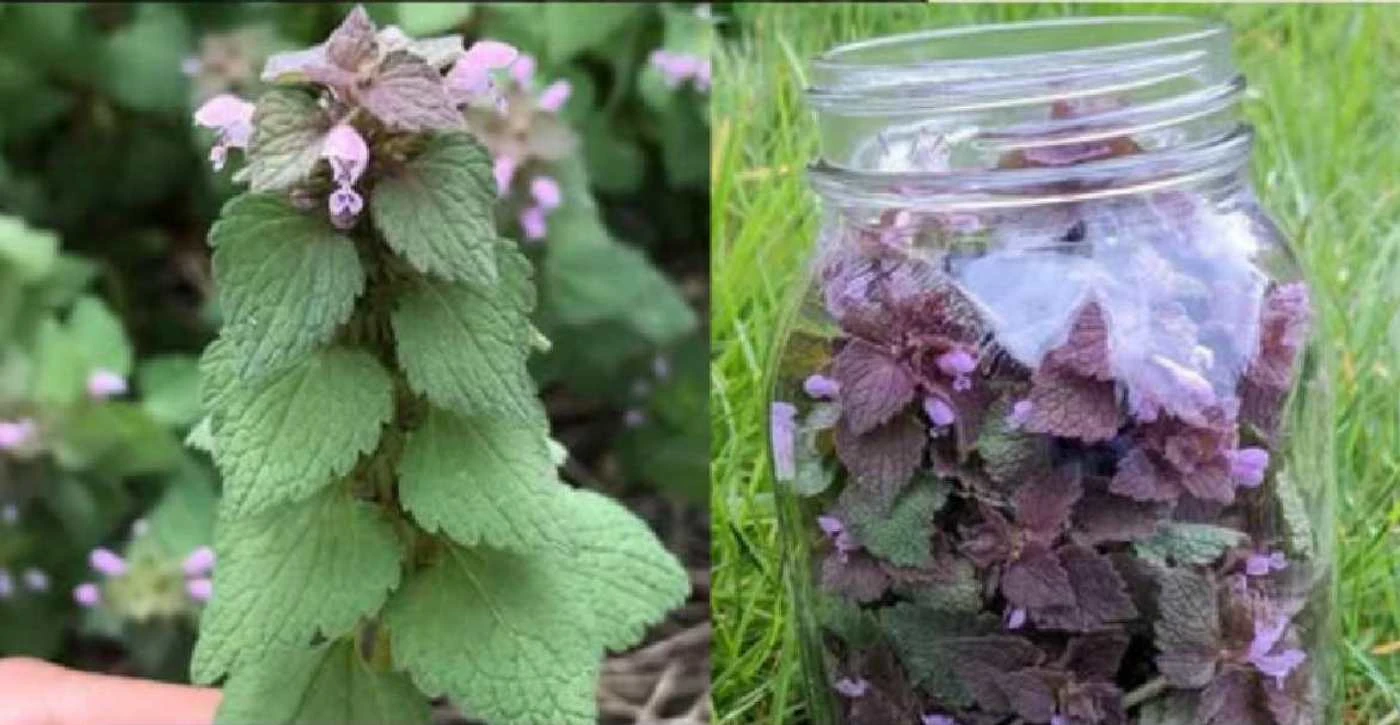
Purple dead-nettle (Lamium purpureum) is a plant many gardeners consider to be an ordinary weed. Yet it is a valuable medicinal herb that has been part of folk medicine for centuries. In recent years experts and herbalists have been returning to it, because its healing effects can support the health of the heart, blood vessels, immunity and the whole organism.
Purple dead-nettle and heart health
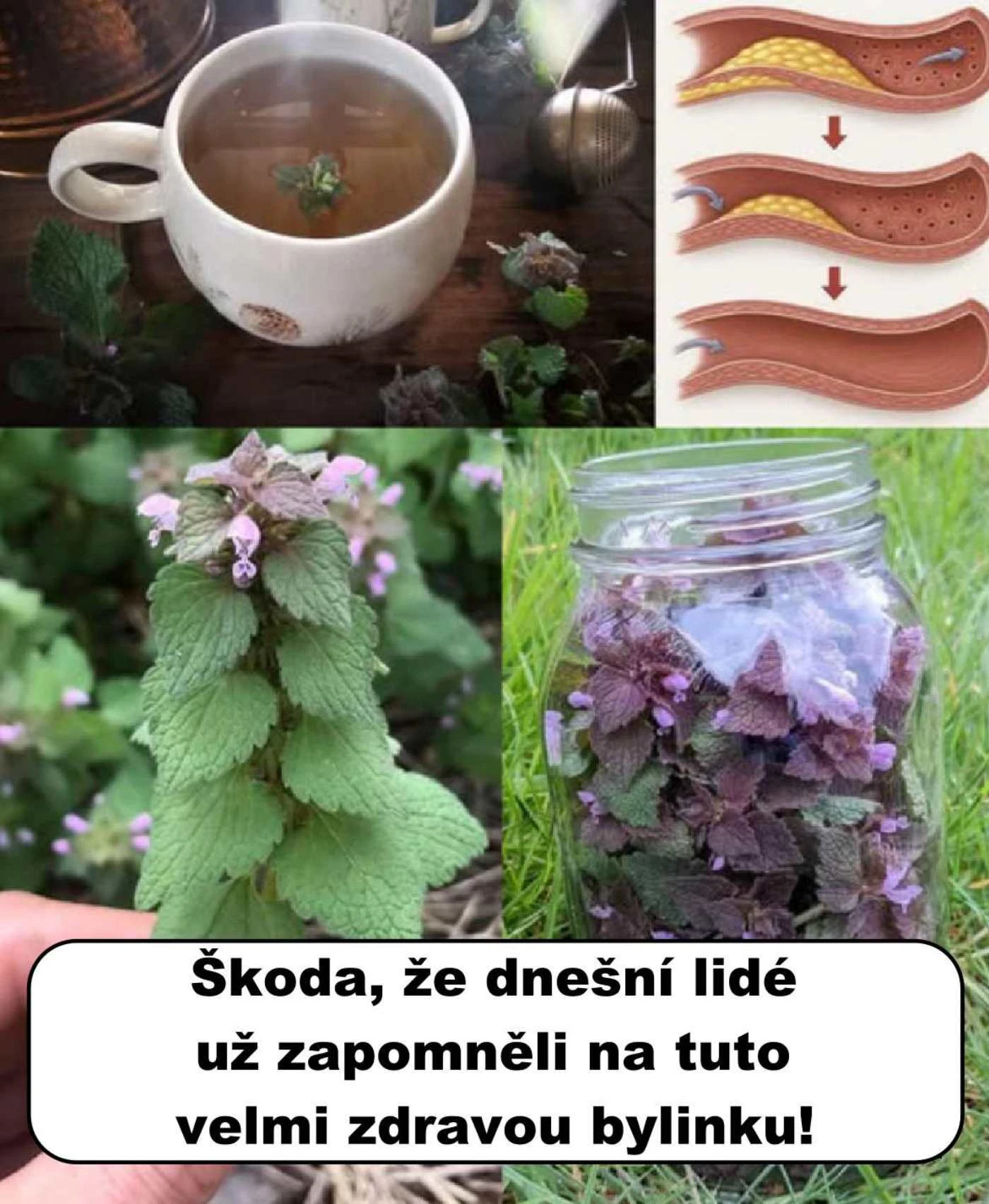
One of the most significant benefits of this unassuming herb is its effect on the circulatory system. It helps relax blood vessels, supports proper oxygenation of tissues and reduces the burden on the heart. Thanks to its content of flavonoids, polyphenols, vitamin C and other antioxidants, it contributes to the protection of blood vessel walls and slows the formation of cholesterol deposits.
Regular use of teas or tinctures from purple dead-nettle can thus be part of a natural prevention of high blood pressure and cardiovascular diseases.
Other medicinal effects of purple dead-nettle
The effects of this herb are not limited to the heart and blood vessels. In folk medicine it is also used for other ailments:
- Immune support – helps the body better cope with infections, acts against bacteria and viruses.
- Detoxification of the body – supports liver function and accelerates the elimination of toxins.
- Digestion – has anti-inflammatory effects on irritated mucous membranes and helps against bloating.
- Diuretic effect – facilitates the removal of excess water from the body.
- Menstrual problems – relieves cramps and tension in the lower abdomen.
- Skin issues – when used externally, soothes eczema, rashes or insect bites.
How to use purple dead-nettle?
Purple dead-nettle can be prepared in various ways:
- Tea – pour hot water over 1–2 teaspoons of dried or fresh leaves, steep for 10–15 minutes and drink 1–2× daily.
- Smoothie – fresh young leaves can be added to vegetable or fruit smoothies.
- Powder – dried leaves ground into a powder can be added to food (½ teaspoon daily).
- Tincture – 30–40 drops in a small amount of water, take 2–3× daily.
- Poultices – fresh crushed leaves applied to the skin help with eczema or irritation.
Precautions
Collect purple dead-nettle only in clean areas, far from busy roads or fields treated with pesticides. During pregnancy and breastfeeding it is advisable to consult a specialist before using it. People allergic to plants from the Lamiaceae (mint) family should be cautious.
Conclusion
Purple dead-nettle is an example of an herb that is often overlooked, yet has great medicinal potential. It helps protect the heart, purifies the blood, acts against inflammation and supports immunity. At a time when many people are turning back to natural remedies, this inconspicuous plant deserves a place in your home medicine cabinet.