Article content
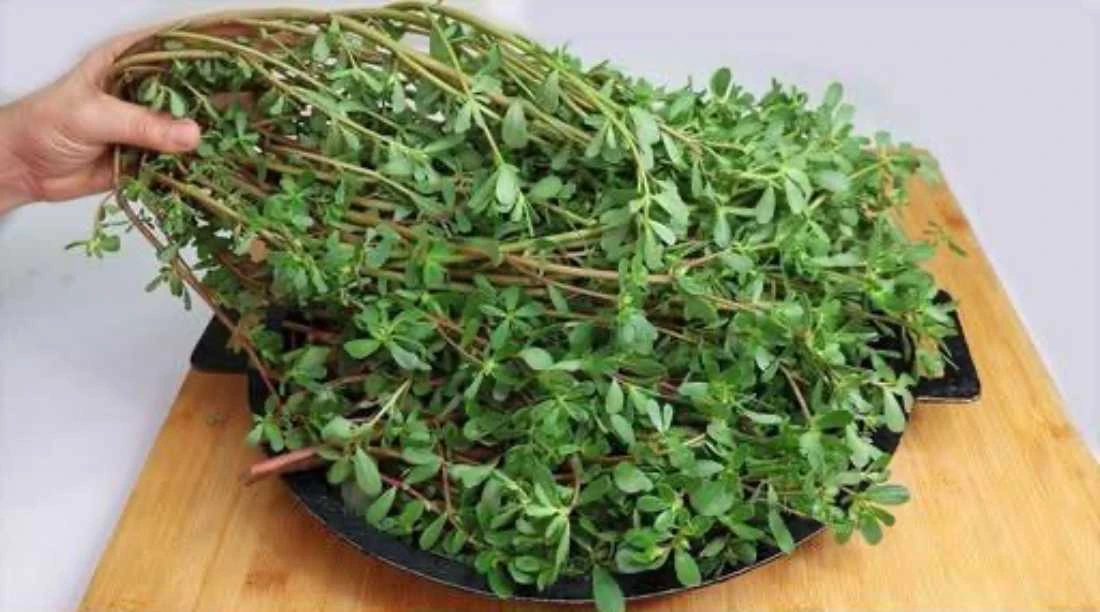
Purslane (Portulaca oleracea) is at first glance an unremarkable plant that many gardeners regard only as a troublesome weed. But the opposite is true. This succulent herb is literally packed with health – it contains large amounts of omega-3 fatty acids, antioxidants, vitamins and minerals. In recent years it has therefore become popular not only among health food lovers, but also among chefs in restaurants around the world.
Superfood straight from the garden
Purslane is considered one of the most nutritious wild-growing plants. According to research by Dr. Artemis Simopoulos from the U.S. National Institutes of Health, it contains the most plant-based omega-3 fatty acids of all known green plants. And it is precisely because of this property that it was admired by Mahatma Gandhi and chefs from Italy and France.
Purslane’s taste is slightly lemony, refreshing, with a subtle peppery note. It’s suitable both for salads and for cooked dishes.
Healing recipe: Purslane pesto for a healthy heart, brain and joints
Ingredients:
- 2 cups of young purslane leaves and stems (thoroughly washed)
- 45 g fresh basil
- 1 clove of garlic
- 45 g toasted almonds
- juice of 1/2 lemon
- 50 ml extra virgin olive oil
- salt and pepper to taste
Instructions:
- Place the purslane, basil, garlic, almonds and lemon juice into a blender.
- Blend until smooth.
- While blending, slowly drizzle in the olive oil until a smooth emulsion forms.
- Season with salt and pepper.
- Serve with pasta, bread, grilled vegetables or meat.
8 reasons why you should not eradicate purslane, but grow it
- Omega-3 fatty acids – support a healthy heart, brain and reduce inflammation
- Antioxidants (glutathione) – protect cells and slow aging
- Rich in minerals – calcium, magnesium, potassium, iron and more
- High vitamin C content – strengthens the immune system
- Beta-carotene – for healthy eyes and skin
- Melatonin – a natural aid for better sleep
- Betalain – supports healthy cholesterol levels
- Tryptophan – improves mood and mental well-being
How to use purslane in the kitchen
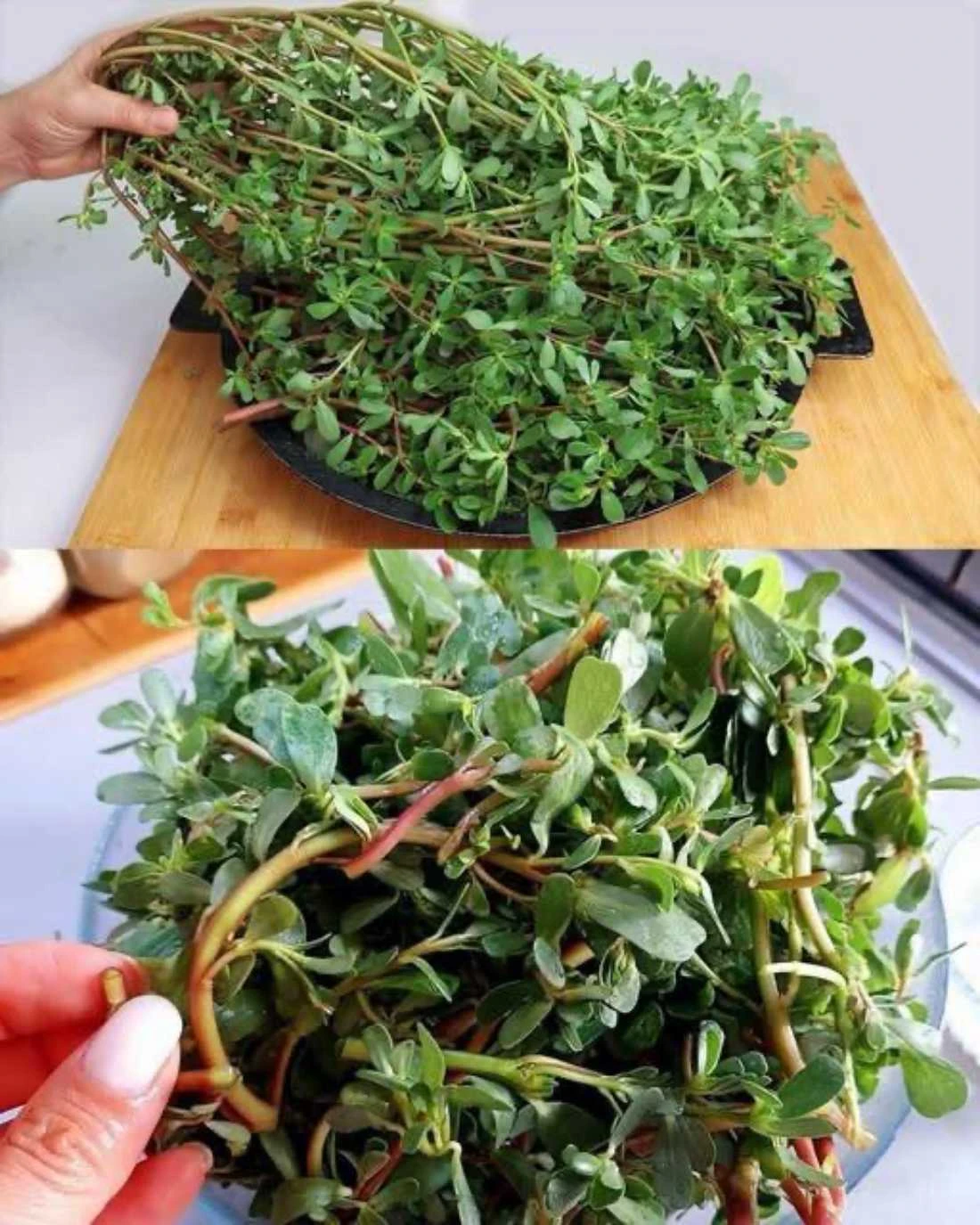
Purslane grows almost everywhere – between paving stones, in garden beds and along roads. Collect it where you know it has not been chemically treated. Young leaves are excellent fresh in salads, larger ones can be cooked like spinach or added to soups.
Remember: before consuming purslane, wash it thoroughly, ideally several times in cold water to remove dust or pesticide residues.
Purslane – a natural remedy from your own garden
Purslane is not only a nutritious plant but also a natural remedy. It helps with heart problems, high cholesterol, inflammation, insomnia and fatigue. It is a perfect choice for vegans who are looking for natural sources of omega-3 fatty acids.
Conclusion: forget the weed, welcome the superfood
Instead of eradicating this great plant, start cultivating or harvesting it. It’s a simple way to enrich your diet with natural vitamins and minerals. And besides – it costs almost nothing.
Do you like purslane? Share this article with friends and support the return of forgotten superfoods to our gardens and kitchens!