Article content
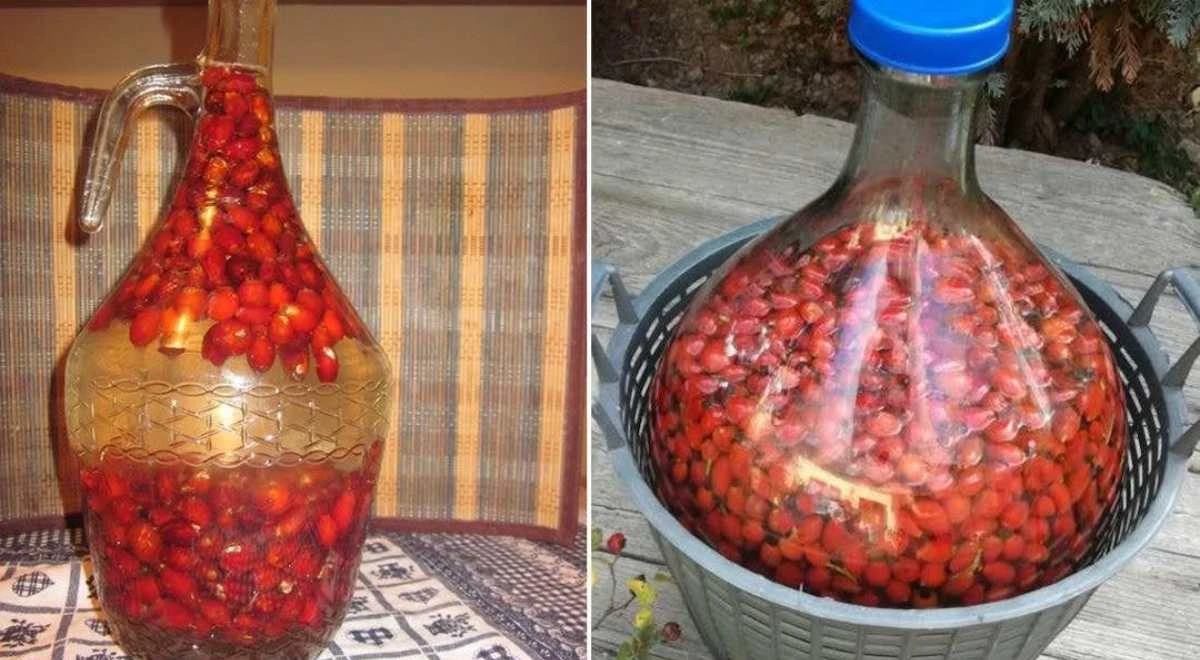
Rosehip wine is a unique natural drink with a high content of vitamins, antioxidants and a delicate fruity flavor. It not only brings a great taste experience, but also a range of health benefits for immunity, digestion and overall vitality. Homemade production requires a bit of patience, but the result is a delicious, fragrant wine with a touch of nature that is worth having on hand especially in the cold months.
Why drink rosehip wine
The rosehip is among the most valuable fruits of our forests and meadows. It contains a huge amount of vitamin C, E, K and antioxidants that help the body fight free radicals and support the immune system. In combination with natural fermentation, a wine is created that is not only tasty but also healthy.
Rosehip wine has a delicate sweet-and-sour taste, a natural color and a pleasant aroma. It is great as an aperitif, digestif or a healthy homemade gift.
Ingredients for homemade rosehip wine
- 3 kg of ripe rosehips – ideally picked after the first frosts (they are sweeter and softer)
- 1 kg of sugar – for proper fermentation and balanced sweetness
- 100 g of fresh brewer’s yeast – will support natural fermentation
- 10 liters of spring water – ensures a clean and fresh taste
- 1 lemon (optional) – to enhance flavor and a light acidity
Preparation of rosehip wine
1. Preparing the rosehips
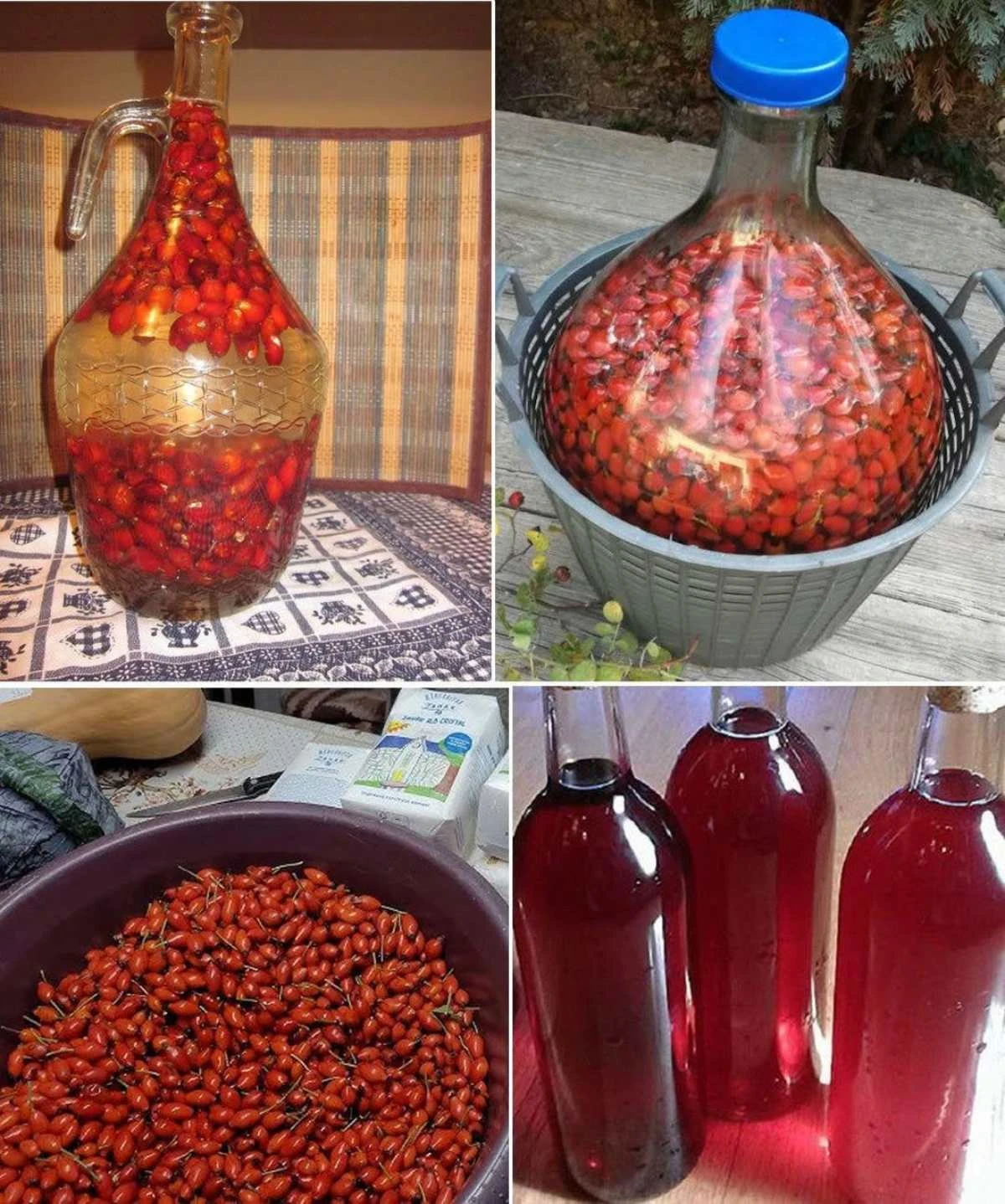
Thoroughly wash the rosehips and clean them of impurities. Then gently crush them with a wooden spoon or in a blender to release the juice and valuable substances. If you want a cleaner wine, you can remove the seeds before fermentation.
2. Preparing the must
Put the crushed rosehips into a large glass or ceramic container. Add the sugar and stir. Dissolve the yeast in a little warm water and add it to the rosehip mixture. Gradually pour in the spring water and stir thoroughly so the ingredients combine evenly.
Cover the container with clean gauze and let it stand in a warm and dark place for 10–14 days.
3. Fermentation
Each day gently stir the mixture with a wooden spoon. The presence of bubbles and a slightly sour smell are signs of proper fermentation. After 14 days, strain the liquid through a fine sieve or gauze and pour the collected must into a demijohn or a larger vessel.
4. Aging the wine
Install an airlock on the demijohn or glass carboy (or a tube led into water that allows gas to escape). Let the wine age for 6–8 weeks in a cool and dark place – ideally in a cellar. The longer the wine ages, the richer, smoother and more aromatic the flavor becomes.
5. Bottling and storage
After the aging period, strain the wine again and pour it into sterilized glass bottles. Store it in a cool place (10–15 °C), where it can continue to age and mellow the flavor.
With proper storage, the wine will retain its color, aroma and the natural strength of the rosehips for a long time.
Health benefits of rosehip wine
- Boosts immunity – thanks to the high content of vitamin C and antioxidants.
- Supports digestion – benefits the gut microflora and improves nutrient absorption.
- Provides energy – acts as a natural tonic, suitable in winter months.
- Protects the heart and vessels – contains flavonoids that support proper circulatory system function.
Tips for perfect rosehip wine
- Use ripe rosehips after frost – they have a fuller flavor.
- Avoid metal containers that can affect the taste and the fermentation process.
- Instead of sugar you can add honey – it will give the wine a gentle natural sweetness.
- For a more aromatic taste, add a pinch of cinnamon or a few cloves during fermentation.
- The ideal serving time is after 3–6 months of aging, when the wine reaches its perfect flavor.
Conclusion
Homemade rosehip wine is not only a delicious and aromatic drink, but also a natural source of vitamins and antioxidants. It is perfect for long winter evenings or as a healthy gift for loved ones. Its preparation requires a bit of patience, but the reward will be a full bottle of strength, health and the scent of nature.