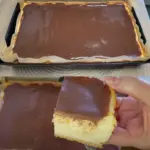
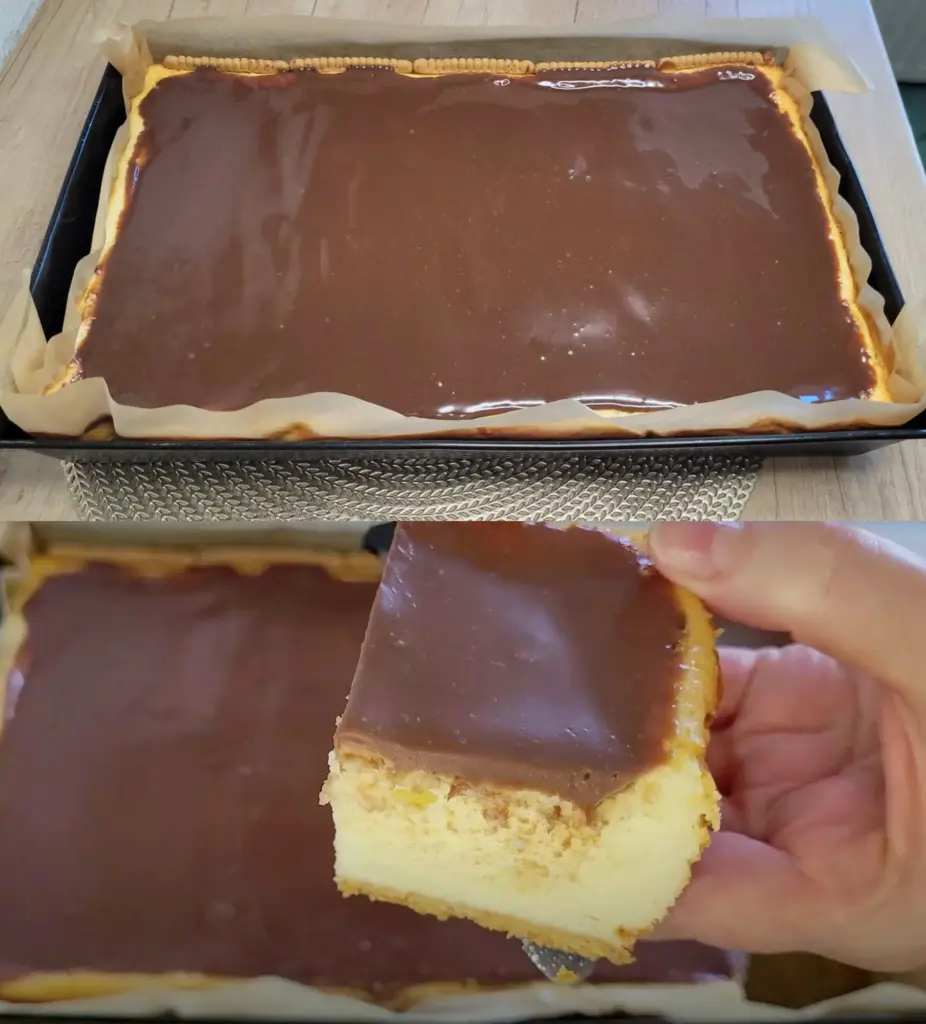
Perfect cottage cheese cake that never collapses: a simple recipe for everyone recept

0
(0)

  • Easy to prepare
  • 1 serving
  • 0 minutes
Jan, 16. 12. 2025

A curd cake that doesn’t collapse after baking, doesn’t crack and keeps a beautiful shape is the dream of anyone who likes to bake at home. This proven recipe fits exactly into that category – the batter is simple, the ingredients accessible, and the result is delicate, creamy and at the same time holds together well. Thanks to the combination of quark, cream, butter and a properly balanced amount of flour, you get a cake that is moist inside, has a lightly crisp edge and doesn’t sink after being taken out of the oven. Ideal for beginners and for those who have already pulled a few curd cakes out of the oven disappointed.

For 1 serving

Ingredients

Batter:

For serving / decoration (optional):

Preparation procedure

  • Preparing the pan and oven Preheat the oven to 180 °C (top and bottom heat). Grease a round pan about 22 cm in diameter with butter and lightly dust with flour, or line with baking paper. Good preparation of the pan will help the cake rise evenly and prevent sticking.
  • Eggs and sugar to a fluffy foam In a bowl, whisk the eggs with the granulated sugar until light and fluffy. You can use a hand mixer or a stand mixer. Whisking is important – air gets into the batter, which will help the cake rise nicely and contribute to it not collapsing after baking.
  • Adding the quark and cream To the beaten eggs and sugar add the quark, liquid cream and vanilla extract. Mix everything well until a smooth and creamy mixture forms. You don't have to completely "break down" the quark to a smooth paste; small pieces in the batter are fine and will give the cake a pleasant texture.
  • Dry ingredients – flour, baking powder and salt Sift the flour together with the baking powder and a pinch of salt. Sifting will help aerate the batter and ensure even distribution of the leavening agent. Gradually fold the dry mixture into the quark mixture until a smooth, medium-thick batter of creamy consistency forms.
  • Melted butter for moistness and color Finally add the melted but not hot butter to the batter and gently incorporate it. The butter will give the cake moistness, a delicate flavor and help it achieve a lovely golden surface. The batter should be pourable but not completely thin.
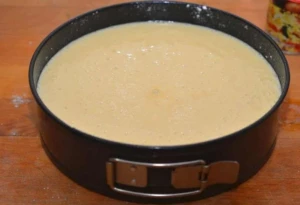
  • Baking the curd cake Pour the batter into the prepared pan, level the surface with a spatula and place it in the preheated oven. Bake for approximately 50 minutes. After about 40 minutes you can test with a skewer – if it comes out dry, the cake is done. If wet batter remains on the skewer, bake for a few more minutes.
  • Cooling so the cake doesn't collapse After baking, let the cake rest for a few minutes in the turned-off oven with the door slightly ajar. Then remove it and let it continue cooling in the pan. Gradual cooling without a sudden change in temperature is key – the cake will nicely "settle", won't sink and will retain its volume.

Quick recipe overview

Servings: 8 servings

Preparation time: 20 minutes

Baking time: 50 minutes

Total time: 70 minutes

Tips and variations

  • For a fresher flavor, add grated lemon or orange zest to the batter.

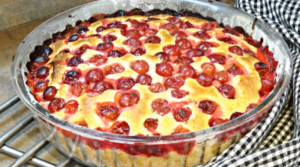
  • You can place fresh or frozen blueberries, raspberries or pieces of apricot on top before baking.

  • If you don’t have full-fat quark, you can partially use a cream cheese like ricotta; the cake will be a bit more delicate.

  • You can also stir in a handful of chopped almonds or nuts for a slightly crunchy texture.