Article content
Many consider it a common weed that grows everywhere – by roads, in meadows or between paving stones. But our grandmothers knew well that ribwort plantain is among the most valuable medicinal herbs. Its power was known to generations before us, and yet today many overlook it. Meanwhile this inconspicuous plant has wide uses in natural medicine and is worth putting back into the home first-aid kit.
The herb that grows everywhere and helps with everything
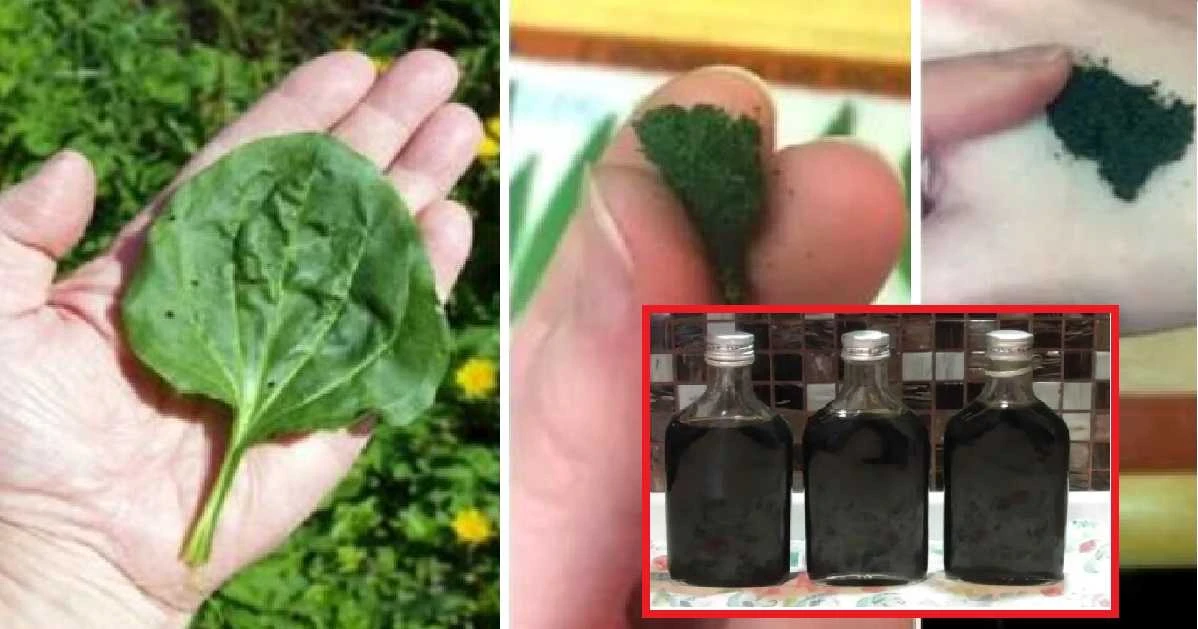
Ribwort plantain, also known as ovate plantain or greater plantain, is a perennial herb with narrow leaves and a characteristic inflorescence on a long, leafless stem. In nature it can be found from May until September, not only in meadows but also in cities or gardens. It requires no special care, yet it hides a healing power that will surprise even skeptics.
Plantain leaves contain a number of valuable substances: vitamin C, vitamin K, carotenoids, flavonoids, tannins, organic acids and minerals such as potassium, magnesium or zinc. Because of this, plantain has many effects on human health.
Plantain effects that will surprise you
- Anti-inflammatory effects – helps with inflammations of the mouth, throat and digestive tract.
- Expectorant effects – loosens phlegm and soothes dry cough.
- Skin regeneration – speeds up the healing of wounds, burns and insect stings.
- Immune support – stimulates interferon production and the body’s defenses.
- Detoxifying effect – often used in cosmetics for skin cleansing.
Folk remedy tip: An infusion of plantain is excellent for conjunctivitis or eye irritation. Simply pour boiling water over the leaves, let steep and, after cooling, use as a compress.
Plantain syrup – homemade remedy for cough
One of the most popular ways to use plantain is to make homemade plantain syrup. It is ideal for colds, coughs, respiratory inflammations or as a preventive measure to strengthen immunity.
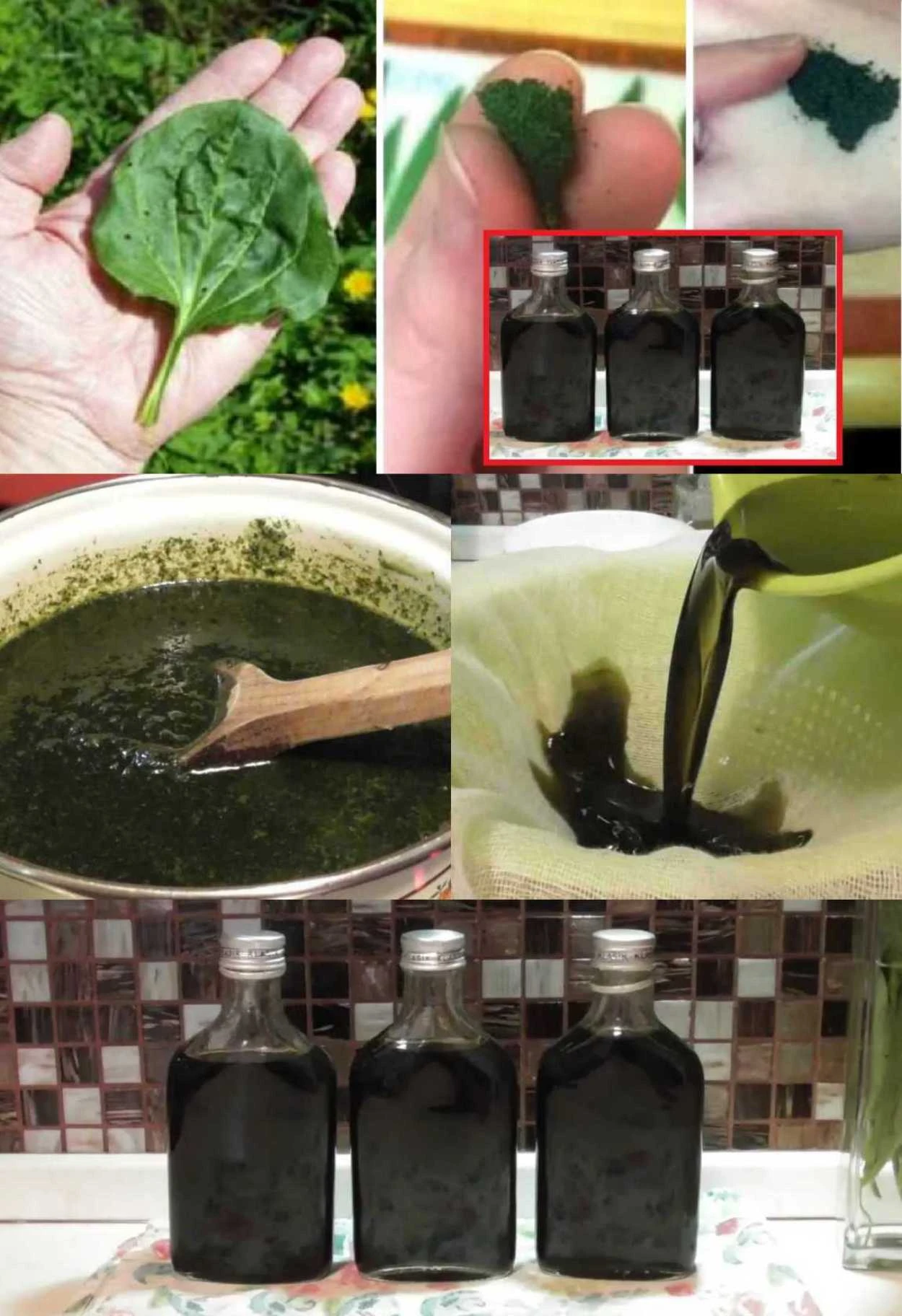
What you will need:
- 350 g fresh, washed plantain leaves
- 250 ml quality honey
- 300 g sugar
- 70 ml water
Procedure:
First wash the leaves thoroughly and crush or chop them finely. Mix them with water, sugar and honey in a pot. Slowly bring to a boil and cook for about 10 minutes. After cooling, strain the mixture through cheesecloth, pour into clean bottles and pasteurize. Store the syrup in a cool, dark place.
Dosage:
For cough, take one teaspoon 2–3× daily. It can also be given to children from 3 years of age.
Other uses of plantain
Compresses for injuries
Apply fresh plantain leaves directly to a wound, burn or insect sting. Cover with gauze and bandage. Leave on for several hours – it will relieve pain, reduce inflammation and speed up healing.
Decoction for digestion
Troubled by diarrhea or an irritated stomach? Try a plantain decoction. Pour 250 ml of boiling water over a tablespoon of dried leaves, let simmer for 5 minutes, then steep for another 15 minutes. Drink 2× daily half a glass.
Conclusion: Let’s bring plantain back into our homes
At a time when we are returning to natural remedies and traditional recipes, it’s time to remember the herbs that grow right under our feet. Ribwort plantain is precisely the plant that can replace pharmacy chemicals in many situations – and do so completely naturally. You just need to know it, when and how to harvest it, and use its power in everyday life.
Warning: This article is for informational purposes only. It does not replace medical examination or consultation with a specialist. Before starting any herbal treatment, always consult your doctor.