Article content
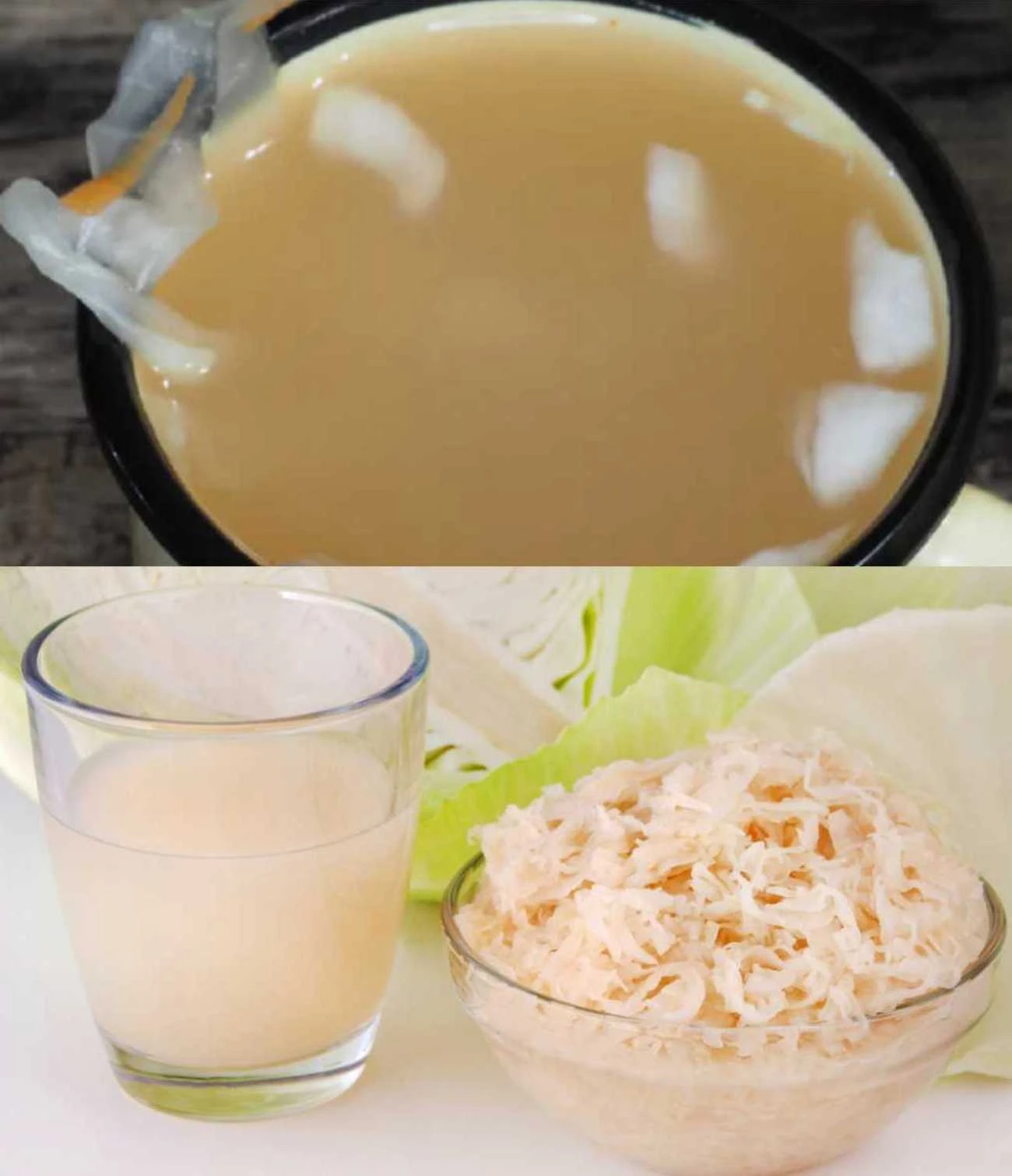
Maybe you do it too. You finish a portion of sauerkraut and simply pour the juice left at the bottom of the bowl down the sink. Yet this very liquid is actually a valuable elixir for gut health, digestion and immunity. It is a traditional part of our kitchens that is often needlessly overlooked out of ignorance.
Sauerkraut has a long history – but what about its juice?
Sauerkraut has appeared in Czech households for generations. Our ancestors packed it into wooden barrels and stored it in cool cellars. The fermentation of cabbage naturally extended its shelf life while also increasing its nutritional value. And it is during this fermentation that a by-product is produced – sauerkraut juice.
While the cabbage itself remains a popular side dish, the juice often ends up as waste. That’s a shame – because nutrition specialists say it is a powerful natural probiotic beverage full of nutrients that helps digestion, immunity and detoxification.
What does sauerkraut juice contain?
This fermented liquid is literally a storehouse of health-promoting substances:
- B vitamins – support metabolism and the nervous system
- Vitamin C – a strong antioxidant and helper for immunity
- Vitamins E and K – contribute to healthy skin and proper blood clotting
- Minerals: iron, iodine, calcium, magnesium
- Natural probiotics – restore intestinal microflora and support nutrient absorption
Health effects: why drink the juice?
- Supports digestion – helps with constipation, bloating and irritable bowel syndrome
- Boosts immunity – thanks to probiotics and vitamin C
- Detoxifies the body – cleanses the liver and kidneys
- Regulates hormones and metabolism – supports thyroid function, helps with diabetes
- Protects the heart and blood vessels – lowers cholesterol, helps with high blood pressure
- Improves skin and hair – antioxidants regenerate cells
How to include the juice in your diet?
You can buy sauerkraut juice at health food stores, but the ideal version is homemade. Simply let the prepared sauerkraut ferment for a few days, strain off the liquid and store it in the refrigerator.
Best times to consume:
- In the morning on an empty stomach – awakens digestion and boosts immunity
- Before a meal – improves nutrient absorption
- After a meal – supports digestion and reduces the feeling of heaviness
Ways to use it in the kitchen:
- As a standalone drink – 1/2 glass per day
- Into soups and sauces – adds a mildly sour flavor
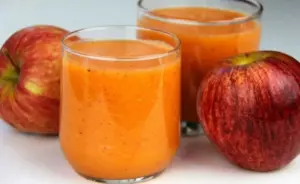
- Into vegetable smoothies – pairs great with beetroot, carrot or apple
- For dressing salads – enhances flavor and adds freshness
Who should avoid the juice?
Although it has many benefits, it is not suitable for everyone:
- People with a sensitive stomach
- Patients with stomach ulcers
- People with kidney disease
- People with high blood pressure (because of the salt content)
Recommendation: Start with smaller doses and monitor your body’s reaction. If in doubt, consult a doctor.
Conclusion: Let’s bring sauerkraut juice back to the table
It’s not a fad, but a traditional natural drink with a range of health benefits. It helps digestion, immunity and detoxification. If you’ve been pouring it away until now, maybe it’s time to start drinking it regularly. Your body will thank you for it.