Article content
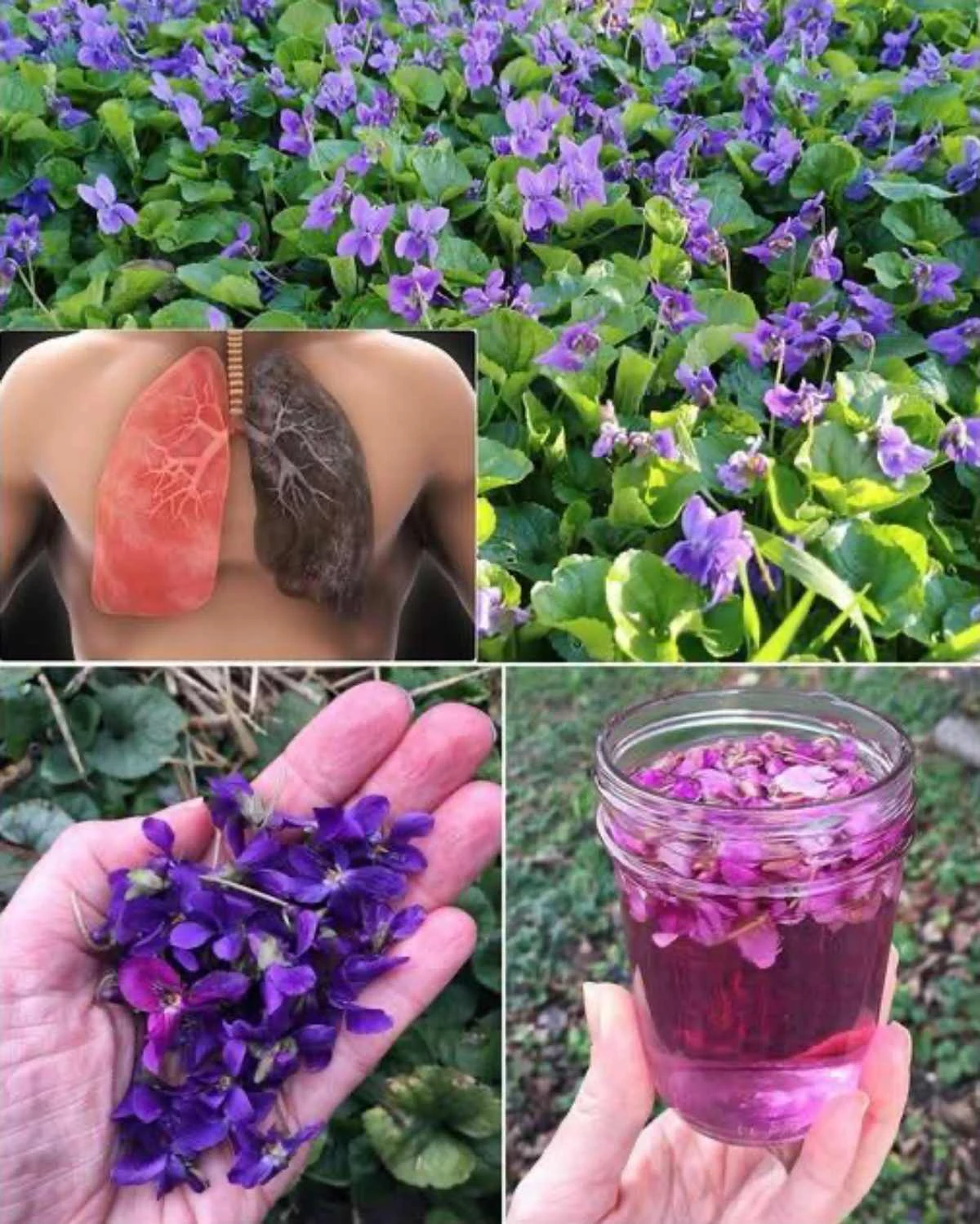
Sweet violet (Viola odorata) is a delicate plant with an enchanting scent and distinctly purple flowers that has held a firm place in herbal medicine for centuries. Although it may seem unassuming at first glance, it hides incredible power. From supporting the respiratory tract to calming the skin and improving sleep – sweet violet is literally a treasure among herbs.
In this article we will present 25 medicinal effects of this exceptional herb and show how to use it practically at home.
What can sweet violet do?
- Opens the airways – a natural expectorant, helps with coughs and colds.
- Soothes sore throat – tea or syrup reduce irritation and pain.
- Helps with coughs – a natural aid for dry and irritating coughs.
- Relieves blocked sinuses – suitable for allergies and rhinitis.
- Reduces fever – promotes sweating and thereby naturally lowers temperature.
- Strengthens the lymphatic system – helps with detoxification and swollen lymph nodes.
- Relieves inflammation – effective for arthritis and joint problems.
- Reduces pain – acts as an analgesic for headaches or body aches.
- Care for the skin – suitable for acne, eczema and irritation.
- Heals minor wounds – has antiseptic properties.
- Relieves itching – helps after insect bites and with rashes.
- Supports the heart and blood vessels – improves circulation and regulates blood pressure.
- Improves digestion – mildly laxative, stimulates intestinal activity.
- Helps with stomach ulcers – protects the stomach lining.
- Calms the nerves – effective against stress and anxiety.
- Improves sleep – violet tea before bed supports deep sleep.
- Boosts immunity – contains vitamins A and C.
- Cleanses the urinary tract – helps as a natural diuretic.
- Eases menstrual problems – soothes cramps and bloating.
- Supports the liver – aids detoxification and liver function.
- Promotes hair growth – a violet rinse strengthens hair roots.
- Care for the oral cavity – gargling helps with inflammation and bad breath.
- Aphrodisiac effects – promotes relaxation and improves mood.
- Reduces bruises and swelling – violet compresses speed up healing.
- Possible cancer prevention – contains powerful antioxidants.
How to use sweet violet?
- Violet tea: Steep 1–2 teaspoons of dried flowers for 10 minutes in hot water. Helps with colds, anxiety, digestion and insomnia.
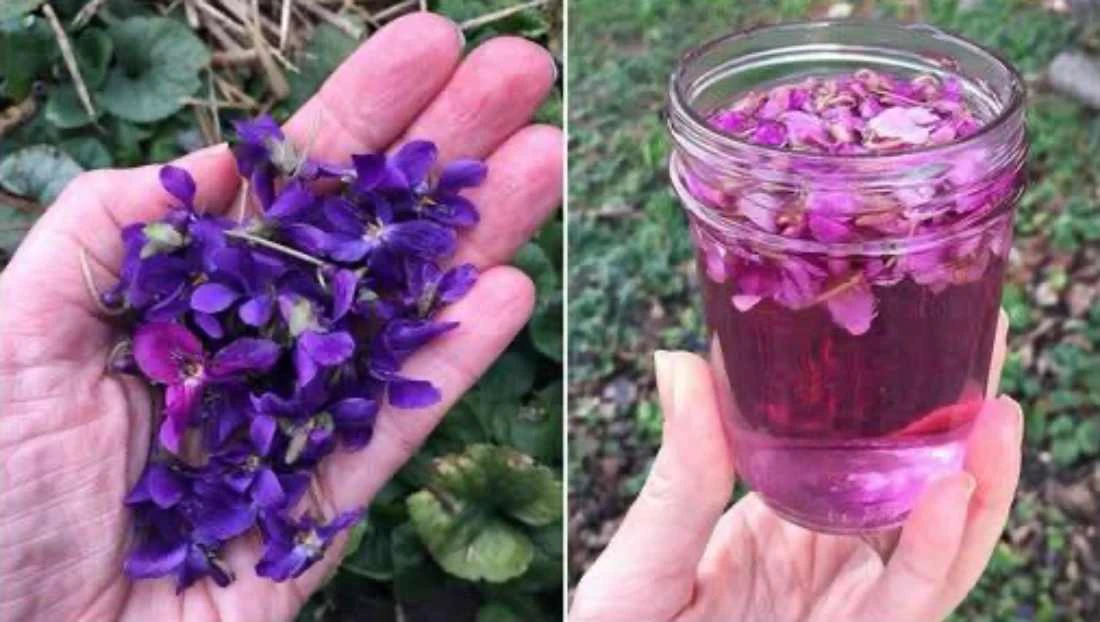
- Violet syrup: Boil a handful of flowers in water, strain and mix with honey. Relieves coughs, sore throat and fever.
- Violet oil: Infuse the flowers for 14 days in olive or coconut oil. Suitable for skin and hair care, and for inflammations.
- Compresses and ointments: Crush fresh flowers and apply to wounds, swellings or stings.
- Violet bath: Pour a handful of flowers into a bath with warm water – ideal for relaxation and muscle regeneration.
- Gargle / mouthwash: Make a strong tea and use, once cooled, as a mouthwash.
What to watch out for?
Although sweet violet is considered a safe herb, consultation with a doctor is always recommended – especially if you are pregnant, breastfeeding or taking medications. Effects may vary individually.
In conclusion: violet as an everyday herb
Sweet violet is not just an ornament of spring gardens, but a true helper for health and beauty. Whether you use it as a tea, syrup, oil or bath, its gentle yet effective properties will win you over. Try this traditional herb and experience the power of nature on your own skin.