Article content
You don’t have to be a doctor or a biologist to know that everyone has their blood type. And if you’ve ever watched series like Surgeons or Dr. House, you know that receiving the wrong blood can be life-threatening. But do you know what blood types really mean and how they can affect your health?
What is a blood type and how does it arise?
Blood consists of a liquid part – plasma – and cellular components such as red and white blood cells or platelets. On the surface of red blood cells there are antigens, specific proteins that determine our blood type.
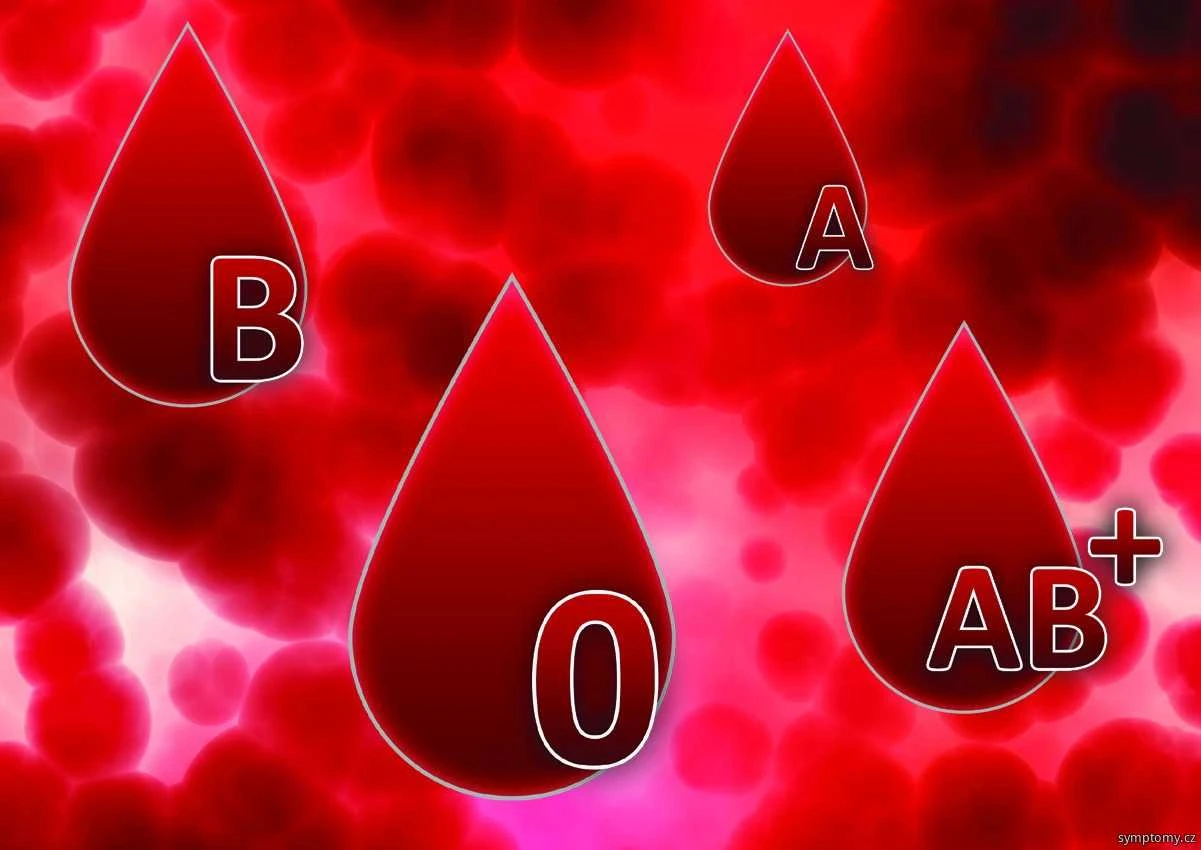
The best-known classification is the AB0 system, which divides blood into groups A, B, AB and 0. Which antigens are present (or absent) on your blood cells determines what blood you can receive and to whom you can donate.
How do antibodies work and why does plasma matter?
Your blood plasma contains antibodies that recognize and destroy “foreign” blood. So if a person with blood type A receives blood of type B, the immune system will launch an attack, which can lead to a serious or even fatal reaction.
Conversely, people with blood type 0 have no antigens on their red blood cells, but their plasma contains antibodies against both A and B. This makes them the so-called universal donor – they can donate blood to almost anyone.
At the other end of the spectrum are people with blood type AB. Their blood contains both A and B antigens but no antibodies. They are the so-called universal recipients because their body does not recognize foreign blood as a threat.
What does the Rh factor mean and why is it important?
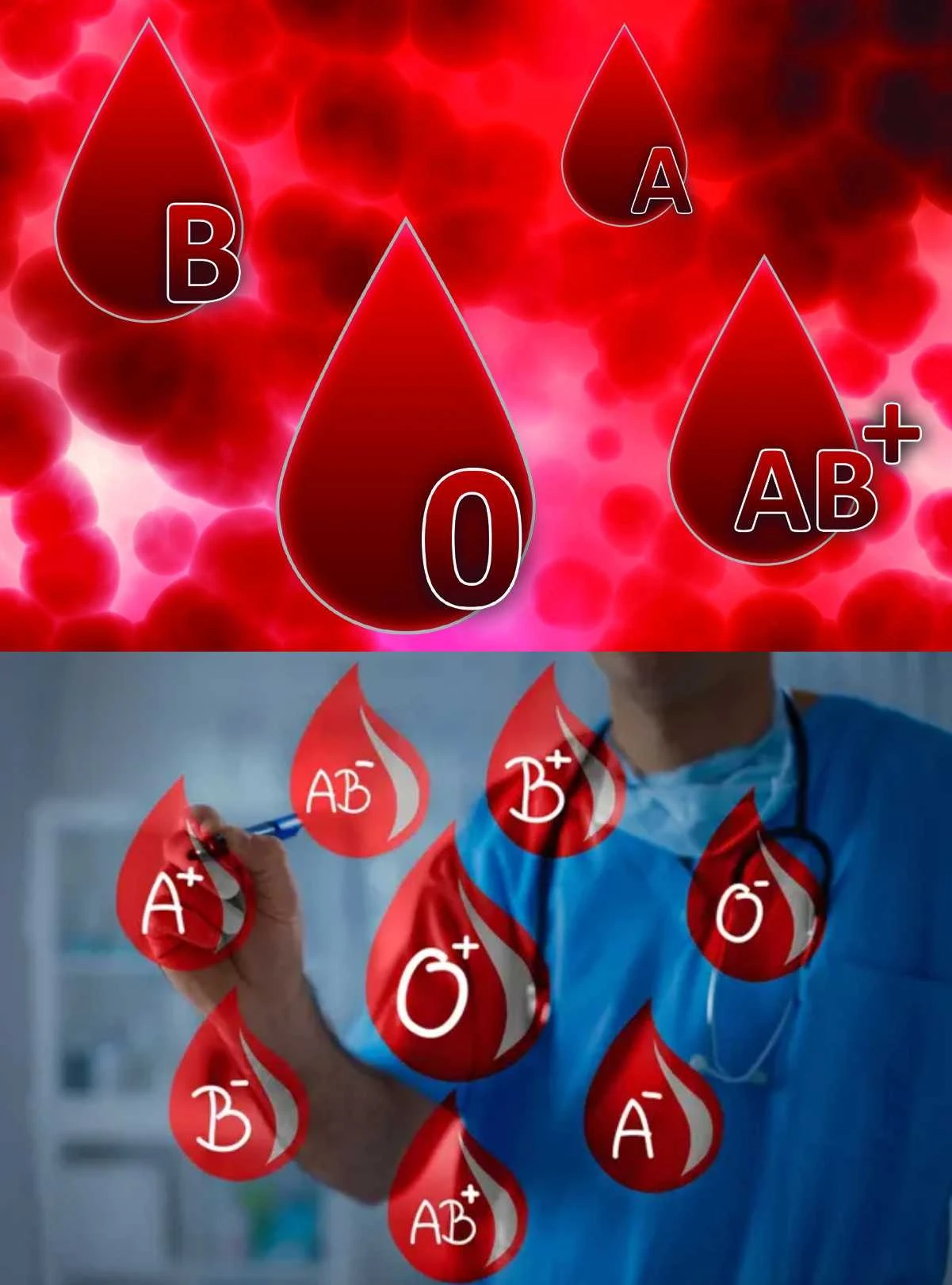
After your blood type designation you will often find a + or – sign (for example A+, B-). This is the so-called Rh factor, another protein that can be present (Rh positive) or absent (Rh negative).
Therefore, we distinguish a total of 8 basic blood groups: A+, A-, B+, B-, 0+, 0-, AB+, AB-.
The Rh factor plays a key role especially in pregnancy. If the mother is Rh- and the child is Rh+, so-called Rh incompatibility can occur, in which the mother’s body begins to produce antibodies against the child’s blood cells. This condition can cause anemia, fetal swelling, or even miscarriage. Fortunately, this risk can be prevented by administering an injection during pregnancy or shortly after birth.
Which blood groups are the most common?
The distribution of blood groups varies by region and population. For example, in Hungary and in the Czech Republic the most common blood group is A, followed by groups 0, B and AB.
Healthcare facilities test donated blood not only for blood type but also for the presence of infections such as HIV, syphilis, or hepatitis. Thanks to this, transfusion is safe and controlled.
Video
Summary: why should your blood type matter to you?
Your blood type is not just information on your insurance card. It affects your blood donation options, the course of pregnancy, and can even be linked to certain diseases and immune system reactions. If you do not know your blood type, it’s worth having it determined – it could one day save your life.