Article content
Growing herbs is a great way to have fresh ingredients on hand and to beautify your garden or balcony at the same time. Many growers, however, do not realize that some herbs simply don’t go together – and their combination can lead to slower growth, poorer flavor, or even complete failure. In this article we will reveal the 7 worst herb combinations that you definitely should not grow next to each other.
1. Mint and any other herbs
Mint is very popular for its fresh scent and flavor. But beware – it is an invasive plant that spreads quickly and can suppress the growth of other herbs. It competes not only for nutrients but also for space. Therefore always plant it separately, ideally in a pot or a separate container.
2. Dill and carrots
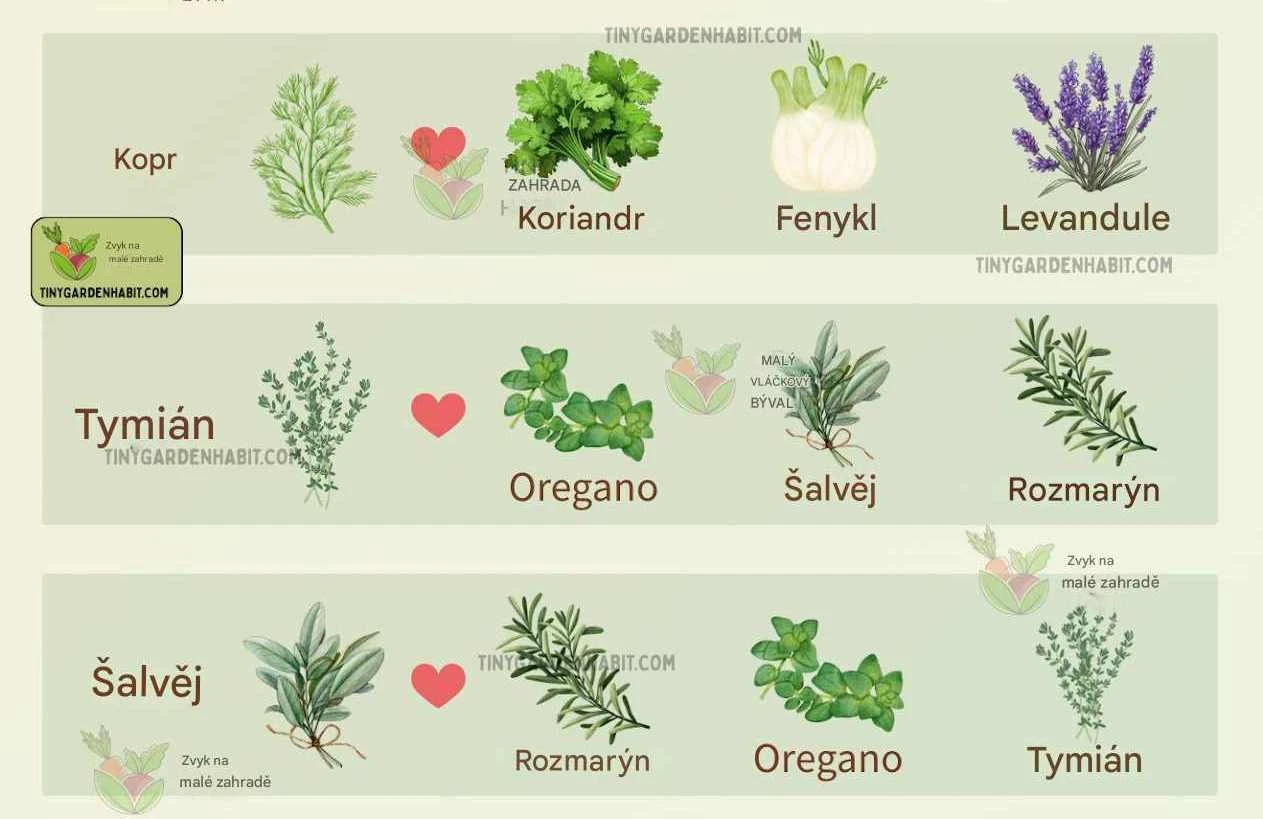
Although both plants belong to the Apiaceae family, mutual cross-pollination can negatively affect their growth and flavor. It’s best to keep dill away from carrots; however, you can safely grow it near cucumbers, where it helps repel pests.
3. Basil and sage
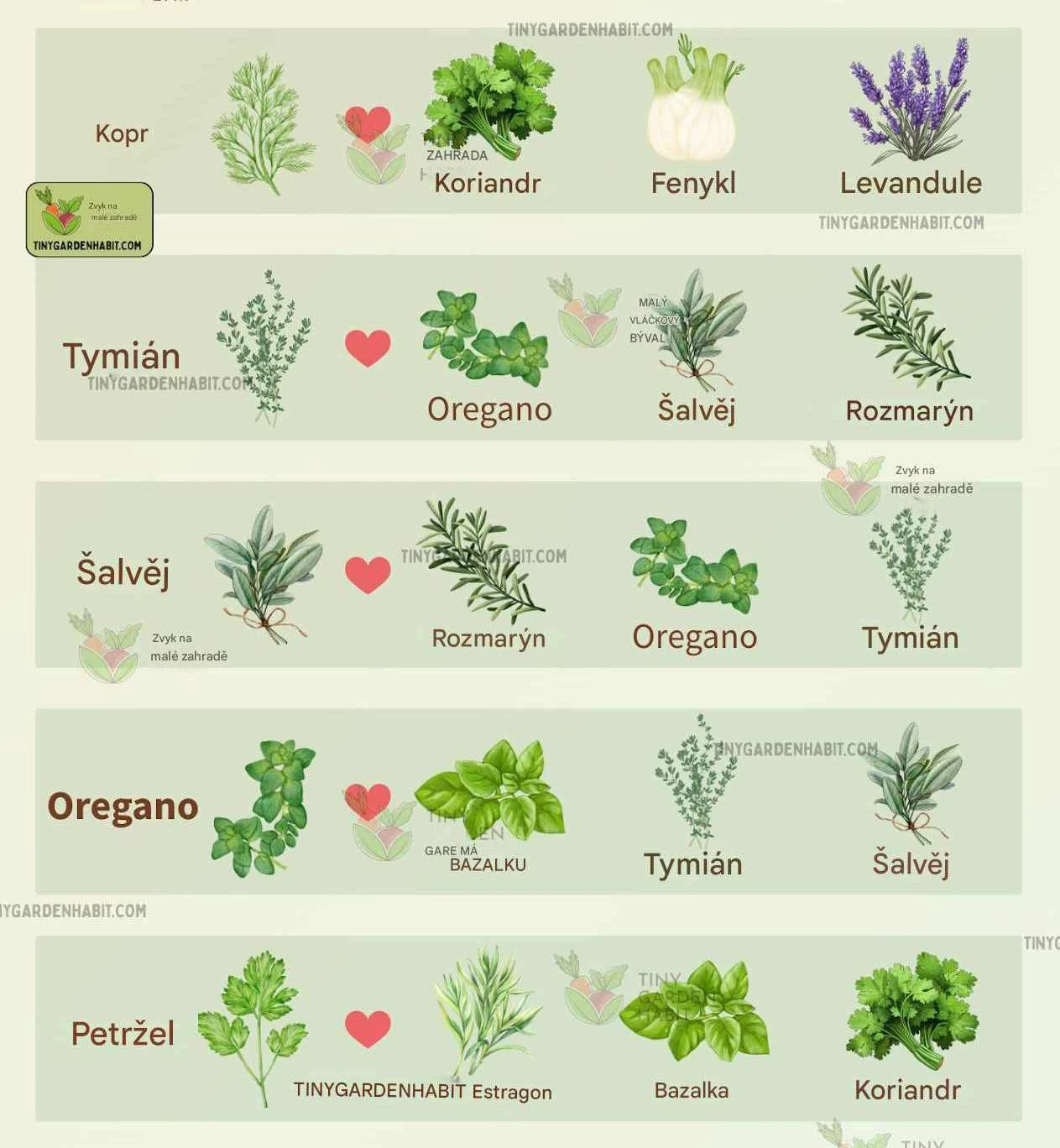
These two herbs have very different soil and watering requirements. Basil requires moisture, whereas sage prefers drier conditions. Growing them together in one spot often ends in failure. Prefer to grow basil near tomatoes and sage near lavender or rosemary.
4. Fennel and almost everything
Fennel is a loner. It releases substances that slow the growth of surrounding plants. It doesn’t pair with any other herb or vegetable. If you want to grow it, put it aside – for example in its own pot.
5. Rosemary and basil
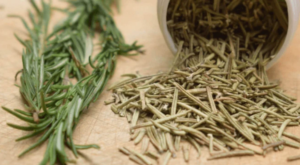
Although the scents of these herbs complement each other well, their growing requirements are completely different. Rosemary loves dry, well-drained soil, while basil needs plenty of moisture. For harmony in the garden, grow rosemary with thyme and basil with parsley.
6. Chives and beans
Perhaps an unconventional combination but often seen. Chives, however, release substances that slow the growth of beans. It’s better to plant chives near tomatoes, where they also act as a natural repellent against pests.
7. Oregano and marjoram
Although both herbs have similar flavors, they can cross-pollinate, which will disrupt their natural taste. If you have enough space, plant them farther apart. When growing in containers, keep them separated.
Summary
Growing herbs is not just about what you like, but also about what goes well together. A bad combination can cause unnecessary complications and disappointment. Learn to pair plants correctly and your garden will reward you with a bountiful harvest and healthy plants.
If you enjoyed this article, share it with friends or in gardening groups. Your comment will make us happy and help spread tried-and-true advice further!