Article content
Diabetes is among the most widespread chronic diseases of our time, yet many people are unaware of it for many years. In the Czech Republic, according to statistics, more than a million people live with it – but one in five does not know about their diagnosis at all. The first symptoms can be subtle, easily overlooked, and are often attributed to fatigue, stress, or age.
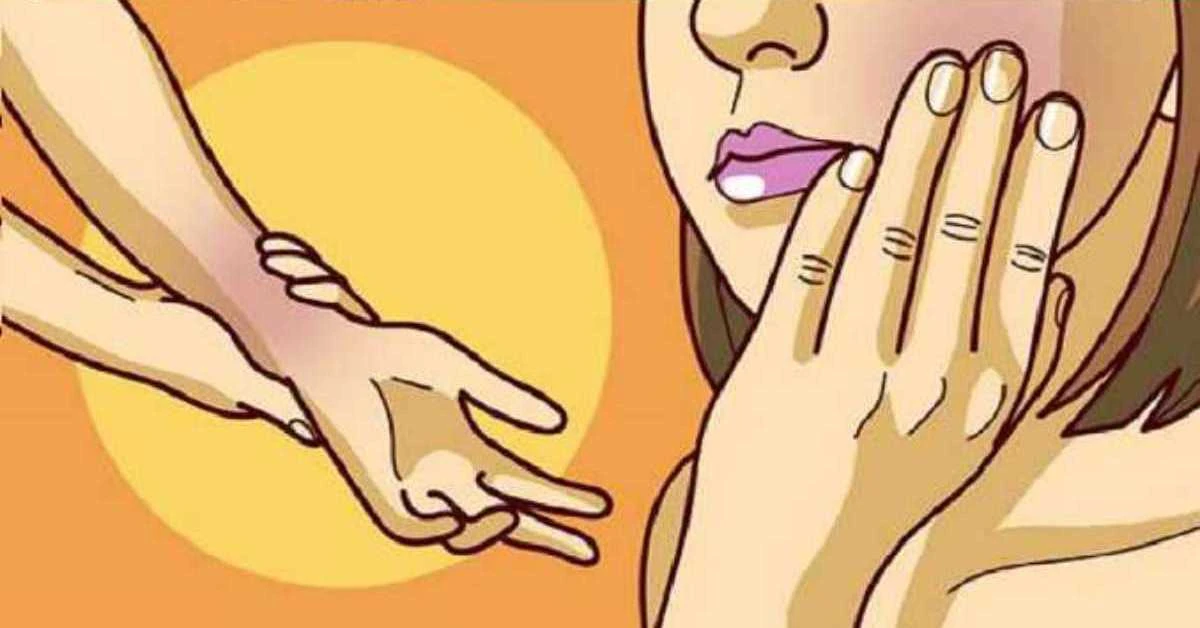
However, we should pay particular attention when certain changes in the skin begin to appear – especially on the hands, abdomen, or in body folds. Early diagnosis can significantly affect both quality and length of life.
1. Itchy and dry skin
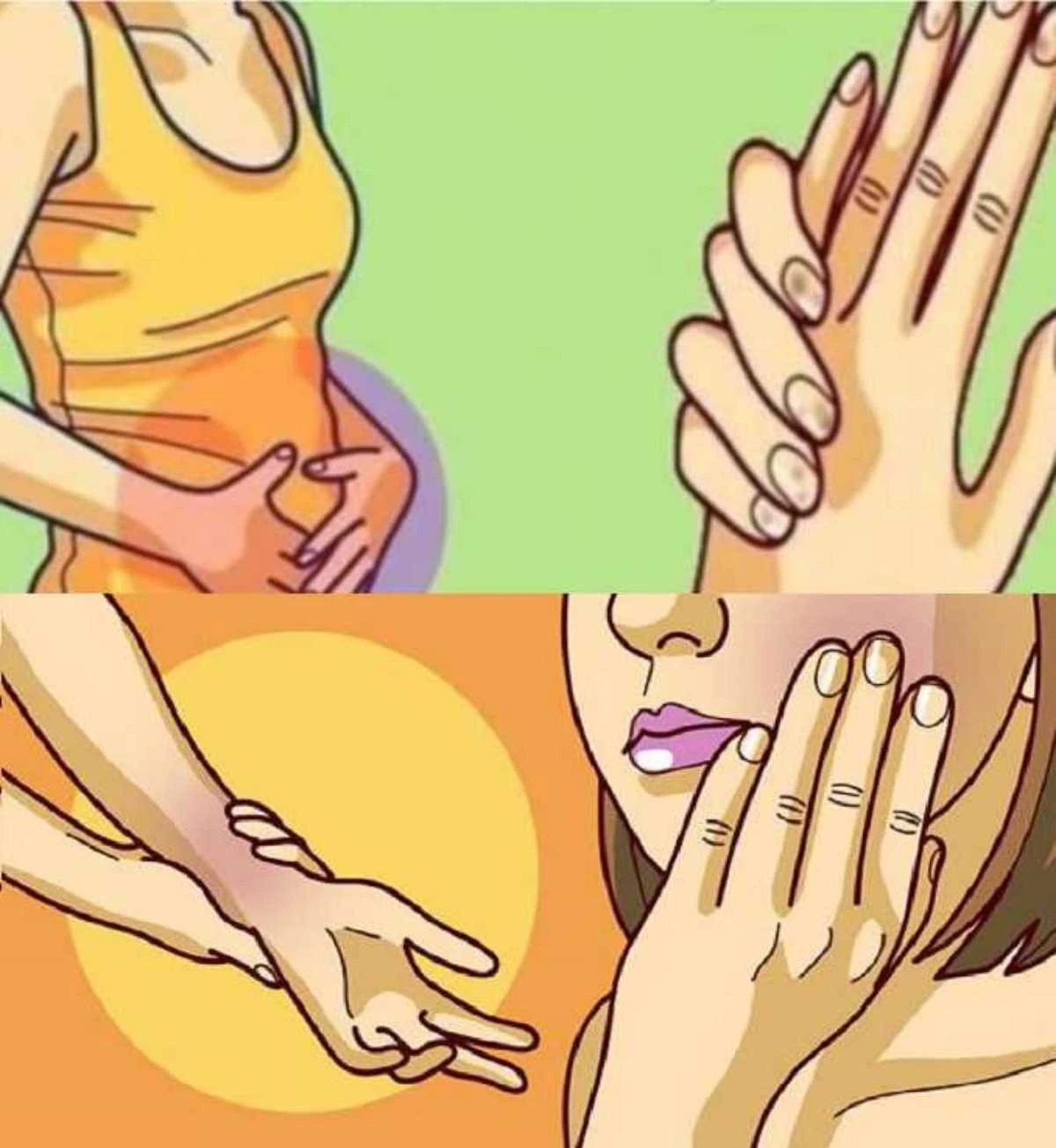
High blood sugar causes dehydration of the body, which leads to drying of the skin. The skin may start to itch, become irritated, and be prone to cracking or infections. If your hands, abdomen, or feet itch for no obvious reason, it may be an early sign of diabetes.
2. Dark patches on the body (acanthosis nigricans)
Dark, rough, or velvety brown patches most often appear in folds – on the neck, in the armpits, on the elbows, fingers, or in the groin. This condition is called acanthosis nigricans and is often associated with insulin resistance. For many people, it is a warning sign of so-called prediabetes.
3. Increased appetite
When the body lacks insulin it cannot effectively use glucose as an energy source. The result is constant hunger – even after eating. If you often feel ravenous despite eating regularly, it may be a sign of developing diabetes.
4. Tingling, prickling and numbness
High blood sugar damages nerves, especially in the extremities. A feeling of tingling, stabbing, numbness, or even loss of sensation in the hands and feet is a typical symptom of diabetic neuropathy. If you ignore these symptoms, permanent damage to the nervous system can occur.
5. Frequent urination and excessive thirst
The body tries to get rid of excess sugar by excreting urine. This causes loss of fluids and a constant feeling of thirst. If you urinate more often than 6–7× a day and also suffer from dry mouth, it may be time to have your blood sugar checked.
6. Fatigue and weakness
Lack of energy in the cells, dehydration, and disrupted metabolism cause long-term fatigue that does not disappear even after sleep or rest. Reduced performance or concentration problems often accompany it.
7. Blurred vision
Fluctuating glucose levels also affect the structure of the eye lens and the intraocular fluid. This can lead to blurred vision, difficulty focusing, or a foggy view. With long-term untreated diabetes, permanent vision damage is also a risk.
8. Unintentional weight loss
Without access to glucose, the body starts burning fat and muscle mass. The result is sudden and unintentional weight loss, even with a normal or increased appetite. This symptom often occurs in type 1 diabetes, but it is not uncommon in type 2 either.
9. Slow wound healing
Excess sugar in the blood slows the body’s regenerative abilities. Minor injuries – especially on the feet – can take weeks to heal and are prone to infection. In extreme cases, ulcers can develop or amputation may be necessary.
Why is early diagnosis so important?
Many people live with prediabetes or undiagnosed diabetes for several years. Unfortunately, during this time irreversible damage to blood vessels, nerves, and organs may already occur. The most common complications include kidney failure, heart attack, stroke, blindness, and lower limb amputations.
Did you know that…
- more than 50,000 new cases of diabetes are diagnosed annually in the Czech Republic?
- almost 40% of patients do not have the disease under control?
What can you do for prevention?
A lifestyle plays a key role:
- a healthy diet low in sugar and simple carbohydrates
- regular physical activity (at least 30 minutes a day)
- adequate sleep and stress reduction
- regular check-ups with your doctor and monitoring of glucose levels
Modern technologies such as glucometers, sensors, or mobile apps allow you to keep your blood sugar under control. But it’s still important to work with your doctor, because treatment must be individually tailored.
In conclusion
Diabetes is not the end. With proper care, timely diagnosis, and an active approach you can lead a long, fulfilling, and quality life. Listen to your body, pay attention to warning signs, and don’t hesitate to seek professional help.
👉 If you found this information useful, share the article with friends or family.
Warning
This article does not serve as medical advice. In case of any health problems, always consult your doctor or a qualified healthcare professional.