Article content
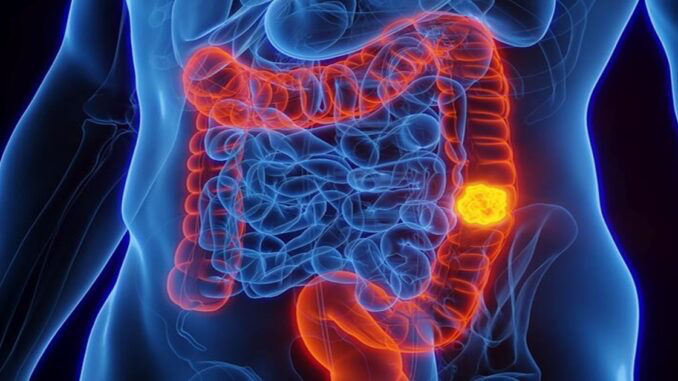
Colon cancer is one of the most common diseases affecting the human population, with its symptoms often invisible until advanced stages. Although many people avoid talking about stool, changes in its consistency and shape can indicate more serious health problems, including cancer. So how do you recognize when you should seek medical help?
What does healthy stool look like?
According to the Bristol Stool Chart, healthy stool is usually sausage-shaped, smooth and long, with small cracks on the surface. The consistency of stool can change depending on diet, lifestyle or physical health, but any sudden changes or persistent problems should not be ignored.
Loose and narrow stool: When to act?
Doctors warn that loose and narrow stool can be a sign of several problems, including colon cancer. This type of stool is often thin like a ribbon or resembles the shape of a pencil, which may indicate a narrowing of the colon caused, for example, by a tumor.
Loose stool can also be a symptom of digestive problems such as irritable bowel syndrome (IBS), diverticulitis or even cancer. If you have narrow stool for more than a week, it is recommended to see a doctor as soon as possible.
Changes in stool and how to recognize them
Changes in stool can include:
- Softer stool or even diarrhea
- Constipation or changes in the regularity of bowel movements
- More frequent or less frequent trips to the toilet than usual
- Stool that is dark or contains blood
If any of these symptoms appear, especially if blood is present in the stool, it is important to visit a doctor as soon as possible. Blood in the stool, whether dark or light, can be a sign of a serious disease, including colon cancer.
Other warning signs of colon cancer
Colon cancer can also cause other symptoms that you should not ignore. These symptoms include:
- Frequent urges to use the toilet, even if you have just been
- Abdominal pain or discomfort
- A feeling of fullness or a hard mass in the abdomen
- Bloating and gas
- Unintentional weight loss without dieting
- Fatigue without an obvious reason
If you have any of these symptoms, do not hesitate to seek professional help. A doctor may recommend tests such as a colonoscopy to determine the cause of these problems.
What factors affect colon health?
The risk of developing colon cancer can be influenced by several factors, including lifestyle, diet, genetic predispositions and age. The most important factors are:
- Low fiber intake – fiber is key for healthy digestion and helps prevent problems such as constipation.
- Insufficient fluid intake – drinking enough water is essential for proper digestive system function.
- Lack of exercise – regular physical activity supports gut health.
- High intake of red meat and processed foods – this diet can increase the risk of colon cancer.
What to do when you notice changes?
If you experience any of the symptoms mentioned above, it is important to see a doctor as soon as possible. The earlier the problem is detected, the greater the chance of successful treatment.
Doctors recommend regular preventive check-ups, especially for people over 50, but if there is a family history of colon cancer, screening should begin earlier.