Article content
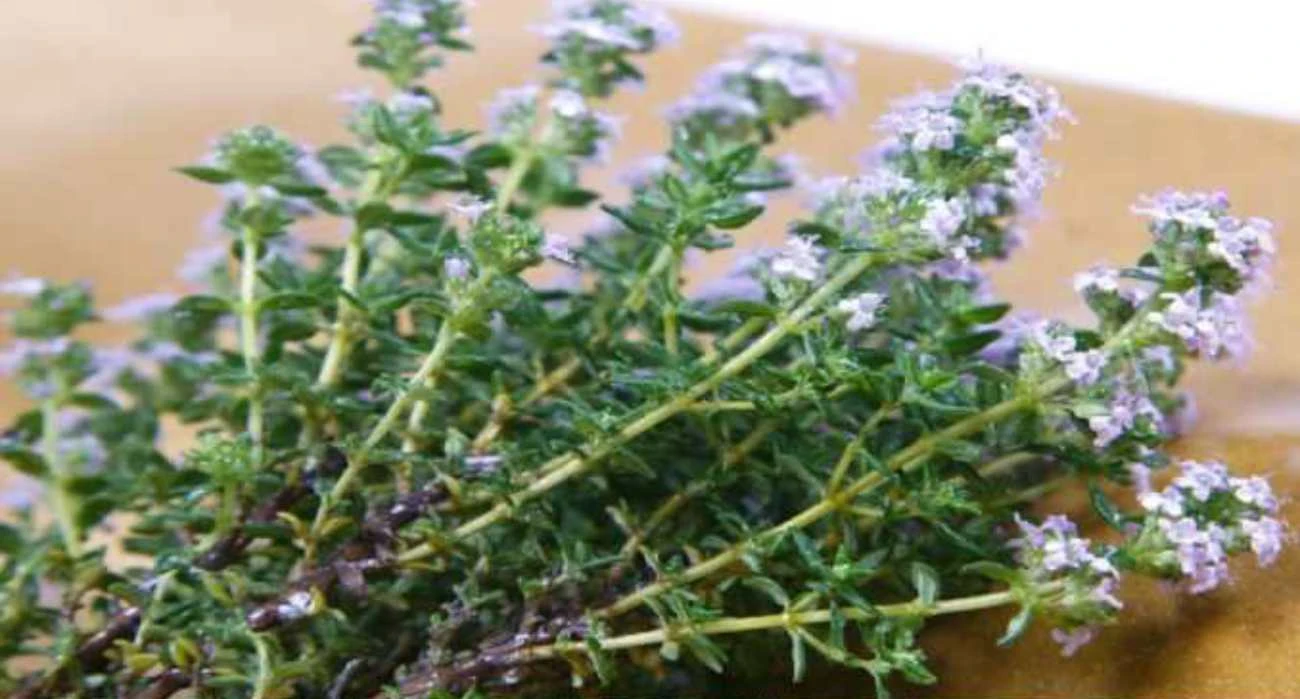
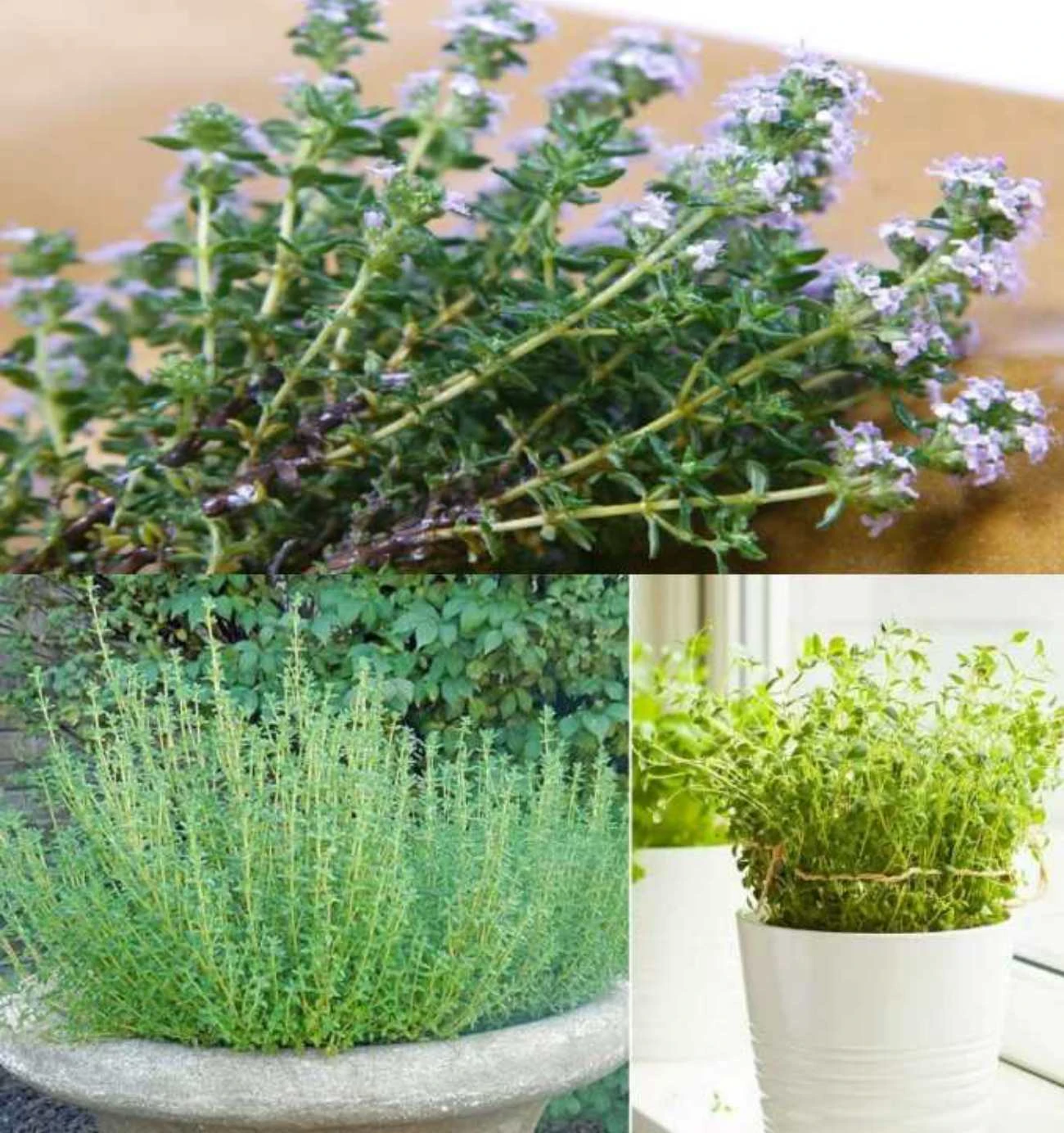
Thyme is not only a popular kitchen spice, but also one of the most powerful medicinal herbs. It originates from the Mediterranean and has been used in folk medicine for centuries. Thanks to its antibacterial, antiviral and antifungal effects, it is rightly considered a natural weapon against infections, inflammations and stress. Modern research also confirms that it strengthens immunity and protects the body against a range of diseases.
The power of thyme on the body
Thyme contains essential oils, flavonoids and rosmarinic acid, which give it extraordinary healing properties. Studies show that it can destroy up to 90% of bacteria within three hours and acts as a natural disinfectant against staphylococci or streptococci. It stimulates the production of white blood cells, supports detoxification and helps the body rid itself of harmful toxins.
Thyme and the respiratory tract
This herb is a great helper for respiratory illnesses. It relieves coughs, colds, flu, asthma, bronchitis and sore throats. Inhalation of a thyme decoction clears the bronchi and gargling with the tea soothes tonsillitis or laryngitis. Thanks to its antiseptic properties, it is among the best natural remedies for respiratory infections.
Thyme as support for the psyche
The effects of thyme are not limited to physical health. It is also an excellent ally against stress, anxiety, insomnia and depression. Tea made from dried thyme calms the nervous system, induces a sense of calm and helps with sleep problems. Regular use supports mental well‑being and resilience to tension.
Cardiovascular effects
Thyme benefits the heart and blood vessels. It improves blood circulation, lowers cholesterol levels and regulates blood pressure. Better blood circulation also supports brain function, memory and concentration. To strengthen the cardiovascular system, it is ideal to regularly include thyme in your diet as a spice or to prepare it as tea.
Other health benefits
- helps with urinary tract infections thanks to its antiseptic effects,
- fights fungi and mycoses, including candida,
- acts against intestinal parasites,
- relieves muscle pain, arthritis and gout,
- supports skin health – helps with acne and warts,
- stimulates hair growth and protects cells thanks to its antioxidant content.
How to use thyme correctly
For internal use: prepare a tea (1 teaspoon of dried thyme per 250 ml of hot water, steep for 5–10 minutes) or add fresh thyme to meals.
For external use: thyme oil is suitable for baths or as part of a massage oil, but always diluted with a carrier oil.
For prevention: regularly including thyme in your diet strengthens immunity and protects against seasonal illnesses.
Conclusion
Thyme is one of the most powerful medicinal herbs that helps with infections, supports mental well‑being and strengthens immunity. Its versatile use makes it an indispensable helper in every household. Whether as tea, spice or oil – thyme is worth having on hand at all times.