Article content
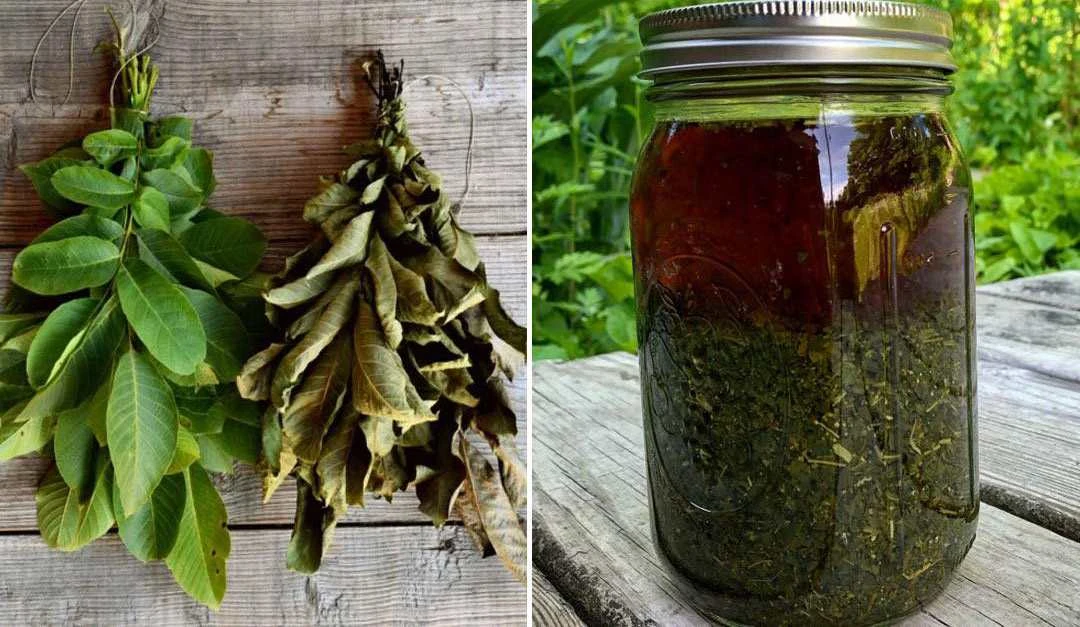
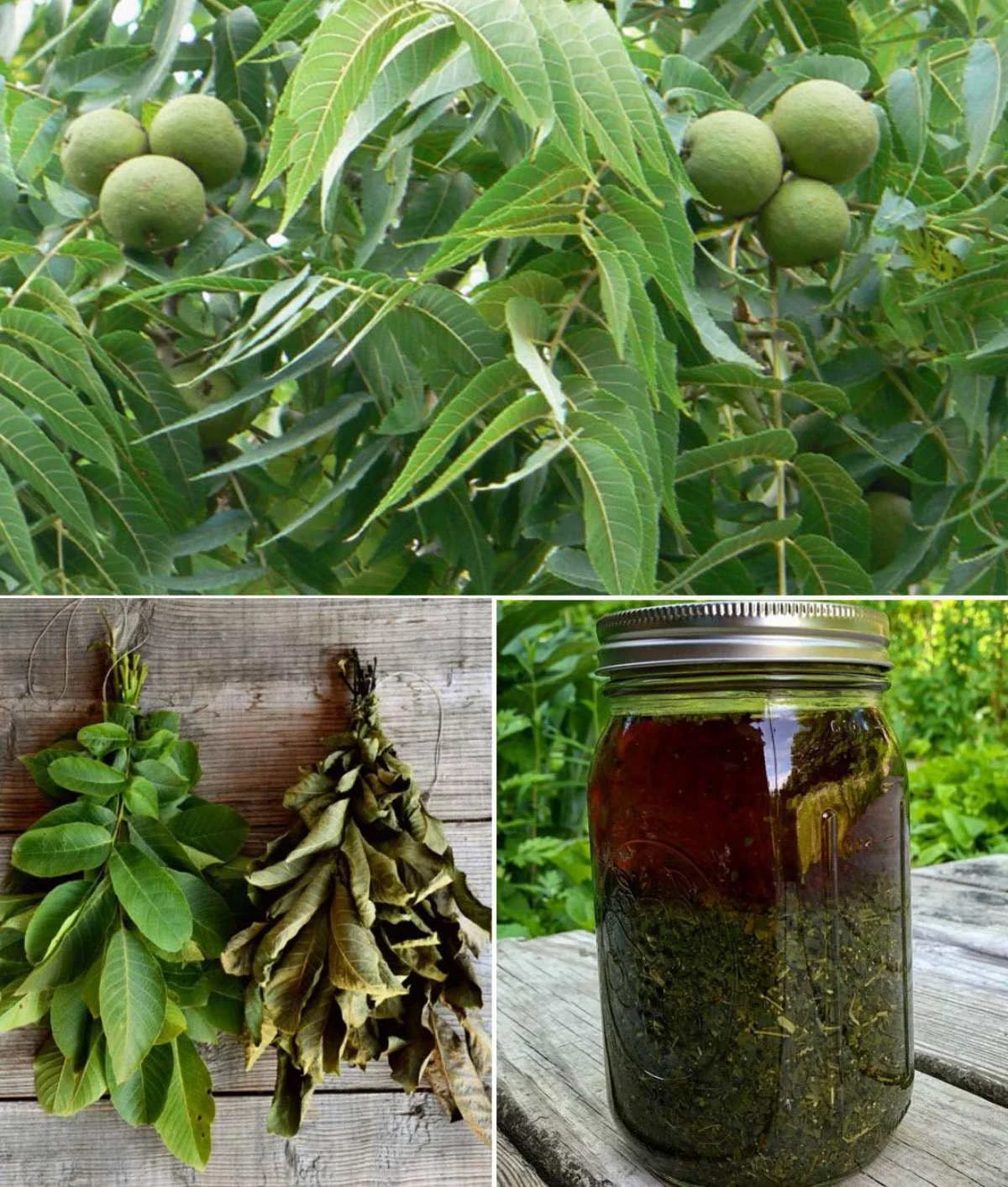
Walnut leaves, which adorn gardens in autumn with their characteristic color, are not just ordinary foliage that falls from the tree. Our ancestors used them for centuries as a natural remedy for a range of health problems – from skin issues, through joint troubles to immune support. One of the most effective ways to preserve their potency is to prepare a homemade tincture.
How to prepare walnut leaf tincture
Preparing the tincture is simple, but requires a bit of patience.
Ingredients:
- a handful of dried walnut leaves
- quality alcohol (vodka or spirit min. 40 %)
- a jar with a lid
Method:
- First dry the walnut leaves in a shady, dry place.
- Chop or crush the dry leaves finely.
- Fill the jar halfway with leaves and pour alcohol over them so they are completely submerged.
- Close and let macerate for 4–6 weeks in a dark place.
- After this time, strain the tincture and pour into a dark bottle.
Prepared this way, the tincture will keep for many months and becomes a universal remedy in the home medicine cabinet.
Main uses of walnut leaf tincture
The homemade tincture is very versatile. It can be used both internally and externally:
- For sore throat: a few drops in water as a gargle.
- For joints and muscles: rub into affected areas for pain or rheumatism.
- For digestion: a few drops before meals to support metabolism.
- For the skin: helps with eczema, itching and fungal infections.
What health benefits do walnut leaves have?
Walnut leaves contain tannins, flavonoids, essential oils and minerals, which give them anti-inflammatory, antibacterial and detoxifying effects. The main effects of the tincture include:
- relief of rheumatic pains and joint problems,
- help with eczema and skin diseases,
- support of digestion and metabolic function,
- strengthening of immunity and body cleansing,
- reduction of high blood pressure.
What to watch out for?
- The tincture is not suitable for pregnant and breastfeeding women.
- In people with nut allergies it may cause irritation.
- It is always important to follow the recommended dosage – the tincture is taken by drops, not tablespoons.
- It does not replace professional medical treatment. For more serious problems, it is necessary to consult a doctor.
Conclusion
Walnut leaf tincture is an old but very effective recipe that proved itself to our ancestors. It helps with joint problems, supports digestion, improves skin condition and can lower high blood pressure. If you prepare it at home, you will gain a natural remedy that will serve the whole family.
👉 And how did your grandmothers use walnut leaves? Share your experiences in the comments!