
Warning! How to recognize the signs of a stroke and save a life: Important information from a neurologist

0
(0)

Jan , 19. 12. 2025

Article content

Neurologist warns: If you can begin treating a stroke victim within 3 hours of symptom onset, it is possible the condition will be completely reversible. If you share this information, you may save at least one life. The neurologist says the key to success is rapid recognition of stroke symptoms and immediate initiation of treatment. Read how to recognize a stroke and what to do to help.

How to recognize a stroke: Key symptoms

Stroke is a serious medical condition that can have severe consequences if not diagnosed in time. Unfortunately, many people are not sufficiently informed about the symptoms of stroke, which can lead to tragic outcomes. If you can recognize stroke symptoms in time, you can significantly improve the chances of a patient’s full recovery.

Stroke victims often suffer serious brain damage if those around them do not recognize the symptoms in time. Here are the main symptoms to watch for:

Main symptoms of stroke

  • Sudden numbness of the face, arm, or leg, or numbness on one side of the body. You may see a clear line separating the numb and unaffected part of the body. Weakness or paralysis of a limb are also common symptoms.
  • Sudden speech disturbances, such as difficulty understanding speech, problems finding words or forming speech (aphasia). If a person suddenly starts having trouble communicating, it may be a sign of a stroke.
  • Blurred or double vision, sudden loss of visual acuity or even blindness. If vision rapidly deteriorates, it is an alarming symptom.
  • Dizziness and loss of balance, accompanied by movement disorders. If a person suddenly loses stability or has difficulty moving, it may indicate a stroke.
  • Severe headache of an unusual nature, which may be accompanied by neck stiffness, facial pain, pain between the eyes, vomiting, and confusion. This type of headache is often associated with subarachnoid hemorrhage, which is a specific type of stroke.
  • Confusion, memory loss, disorientation, and perception disorders. If a person is unaware of their surroundings or has trouble orienting themselves, it may be a stroke.

How to recognize a stroke: 3 simple questions

According to doctors, it is possible to recognize a stroke using three simple tests that you can perform even without medical training:

  1. Ask the person to move: See if they are able to move their arms or legs, or if they have any weakness in the limbs.
  2. Ask the person to say a simple sentence: If the person has difficulty speaking or forming words, it is a warning sign.
  3. Ask the person to stop sticking out their tongue: If the tongue is pulled to one side, it may also be a sign of a stroke.

If the person has trouble with any of these tests, immediately call the emergency services and inform them of the symptoms. A quick response is crucial to saving a life.

What to do if you think someone is having a stroke?

If you suspect someone may be having a stroke, it is important to act quickly. Do not wait for the symptoms to improve or disappear. The sooner treatment begins, the greater the chance of full recovery.

If symptoms appear, immediately call the ambulance. Make sure you describe all the symptoms you observed and do not delay seeking help. A rapid intervention within 3 hours can mean the difference between life and death.

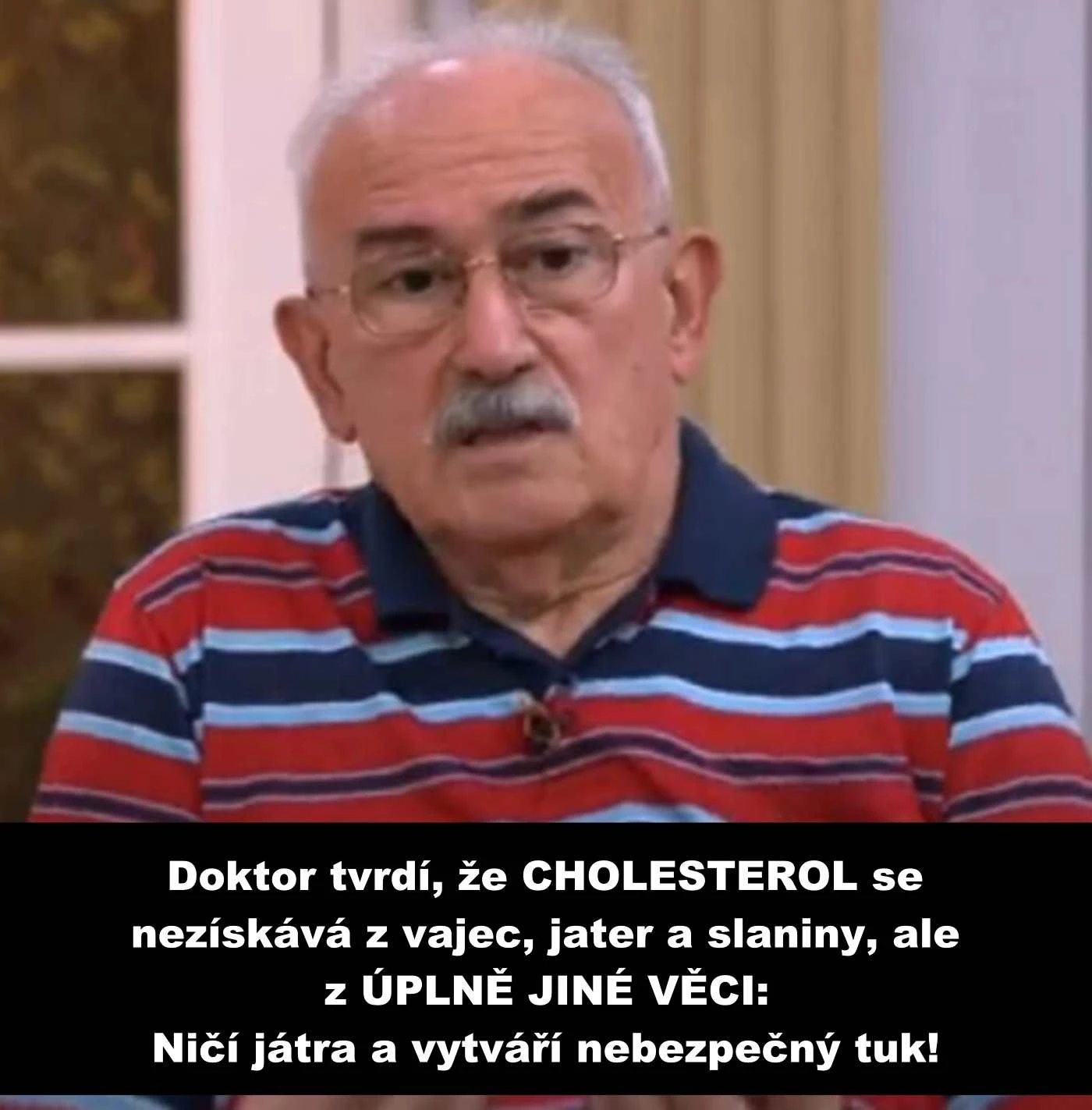
Cholesterol and sugar: what really raises LDL and how to protect the liver

Eggs, liver and bacon are often labeled as the main culprits of high cholesterol. The reality is more complex. For most people, dietary cholesterol has only a limited effect on blood cholesterol levels. Much more important is the overall diet, the proportion of saturated and trans fatty acids, intake of added sugars, body weight, genetics and lifestyle. Below you will find a balanced overview of what the facts say – without myths and shortcuts.

What cholesterol is and why the body needs it

Cholesterol is a fatty substance essential for building cell membranes, producing hormones and vitamin D. In the blood it is carried in the form of lipoproteins. LDL ("bad") carries cholesterol to tissues, HDL ("good") takes it back to the liver. The goal is to keep LDL low and HDL in an appropriate range.

Dietary cholesterol vs. saturated fats and trans fats

In most healthy people, dietary cholesterol (e.g., from eggs) has only a small effect on LDL. A much stronger factor is saturated fats (fatty processed meats, high-fat cheeses, large amounts of butter) and trans fats (industrially hydrogenated fats), which raise LDL and can lower HDL. Eggs are also a source of nutrients (e.g., choline), so for most people they can be part of a balanced diet.

How added sugars and refined carbohydrates worsen the blood lipid profile

High intake of added sugars and refined carbohydrates (sweetened drinks, sweets, white bread) raises triglycerides and promotes the development of nonalcoholic fatty liver disease (NAFLD). The liver then more often releases VLDL/LDL particles and the overall lipid profile worsens. The liver is particularly harmed by excess fructose from sweetened drinks and syrups.

The role of choline and "healthy" fats

Choline (eggs, lean meat, legumes) helps form and export fat particles from the liver, thereby supporting its normal function. Monounsaturated and polyunsaturated fats (olive oil, nuts, seeds, fish) can lower LDL and some fractions of inflammatory lipids, if you also limit saturated fats and added sugars.

When eggs can be a problem

For a portion of the population with a genetic burden (e.g., familial hypercholesterolemia) or for people with very high LDL, even dietary cholesterol can play a larger role. In such cases, individual recommendations from a physician and a nutrition therapist are decisive.

Practical meal plan for healthy lipids and liver

  • Limit added sugars: sweetened drinks, confectionery, excess white-flour baked goods.
  • Prefer unsaturated fats: olive oil, rapeseed oil, nuts, seeds, avocado, fatty sea fish twice a week.
  • Reduce saturated fats and avoid trans fats: processed meats, fast food, toppings made from partially hydrogenated fats.
  • Eat enough protein: fish, poultry, eggs, legumes, fermented dairy products – they support satiety and muscle maintenance.
  • Fiber: vegetables, fruit, whole grains, legumes – soluble fiber helps lower LDL.
  • Alcohol in moderation: excess increases triglycerides and burdens the liver.
  • Hydration and exercise: 150–300 minutes of moderate activity per week (brisk walking, cycling), strength training twice weekly.
  • Body weight: even a 5–10% weight reduction can noticeably improve triglycerides and LDL.

Key takeaway: it's not "forbidden eggs", but the overall dietary pattern

For most people, eggs or liver alone do not "cause" high cholesterol. The key is the combination of fewer saturated fats, less added sugar and more unsaturated fats, fiber and exercise. If you have high LDL, a family history or liver disease, discuss a specific eating plan with your doctor – sometimes pharmacotherapy (e.g., statins) is also necessary.

18. 12. 2025 Jan
0
(0)