Article content
Changes to the body that did not appear before can be a warning of serious health problems. Sometimes our body sends signals that should prompt us to visit a doctor. Early diagnosis is key to successfully managing many illnesses. One such warning sign is a change in thyroid function, which plays a key role in the overall health and well-being of our body.
What is the thyroid gland and how does it affect our health?
The thyroid gland is a small endocrine gland located at the front of the neck. It produces iodine-containing hormones that have a crucial impact on a number of processes in the body. These hormones regulate metabolism, growth, the immune system and many other bodily functions. If the thyroid gland does not function properly, it can have serious consequences for overall health.
What causes thyroid disorders?
The most common thyroid disorder is hyperthyroidism, a condition in which the thyroid gland produces too many hormones. This problem is ten times more common in women than in men and most often affects women aged 20 to 50. Hyperthyroidism is often caused by autoimmune processes, where the immune system fails to recognize the thyroid gland as part of the body and begins producing antibodies against it, leading to its excessive stimulation.
What symptoms indicate a thyroid problem?
Symptoms of hyperthyroidism are not always immediately obvious and can easily be mistaken for symptoms of other diseases. However, if not diagnosed in time, they can cause serious complications. Endocrinologist Ginny Todd compiled a list of the most common symptoms associated with an overactive thyroid.
10 most common symptoms of hyperthyroidism:
- Neck swelling – Enlargement of the thyroid gland can cause swelling in the neck area, which is often visible and palpable.
- Irregular or rapid heartbeat – The heart beats faster or irregularly, which can lead to feelings of anxiety.
- Tremors and nervousness – Increased thyroid activity can cause shaking of the hands and a feeling of nervousness.
- Warm skin and excessive sweating – A person with hyperthyroidism may feel warm even when the ambient temperature is normal and often sweats more than usual.
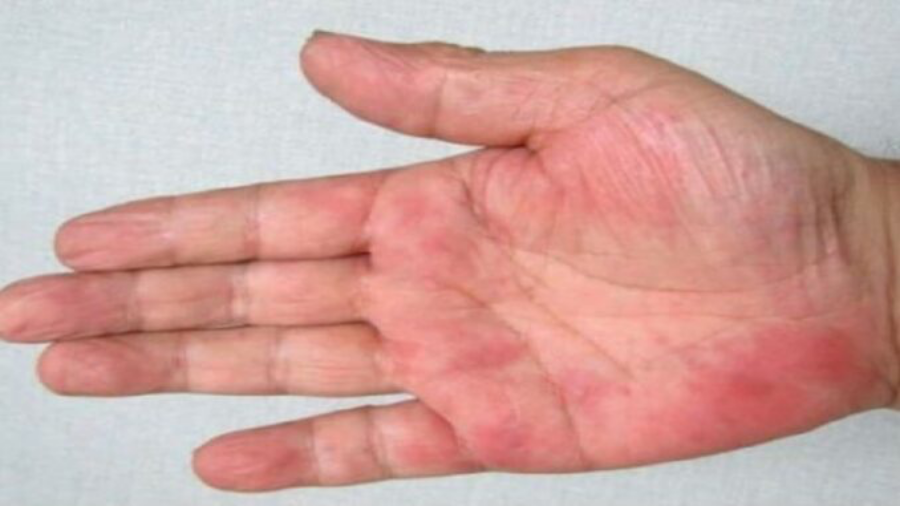
- Red palms – Some people may notice that their palms have a reddish tint, which is a sign of an overactive thyroid.
- Nail damage – Nails may be brittle, break easily, or separate from the nail bed.
- Itching and skin rashes – The skin can react to hormonal changes and rashes or itchy sensations may appear.
- Weight loss – Unexpected weight loss may be caused by the accelerated metabolism associated with hyperthyroidism.
- Hair loss – Excessive hair loss is one of the common symptoms of thyroid problems.
- Eye problems – Redness, dry eyes, or even vision problems may occur.
If you notice any of these symptoms, do not ignore them. Early diagnosis and treatment can significantly improve the course of the disease and prevent serious complications.
What to do when symptoms of thyroid problems appear?
If you suspect thyroid problems, it is important to contact your doctor as soon as possible. Timely examinations, such as blood tests for thyroid hormone levels, can reveal whether you have hyperthyroidism or another problem and thus allow for appropriate treatment.
Conclusion
Thyroid problems can have serious consequences for your health if not recognized in time. Monitor your body and if you notice any of the warning signs, do not postpone a visit to the doctor. Early diagnosis and treatment can help you stay healthy and avoid serious complications.