Article content
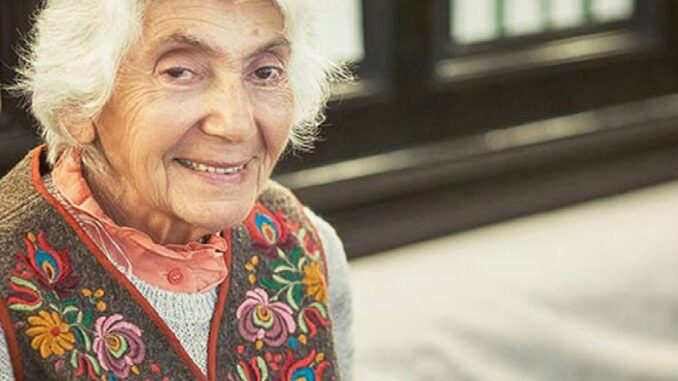
Marwa Khanyan, a former biochemist with more than 45 years of professional experience, decided to share her vision of health and medicine. According to her, we ourselves are responsible for all seemingly incurable diseases, such as cancer, diabetes, high blood pressure, and other civilization diseases. How? You will find out in this article.
Detoxification and the importance of biochemistry for health
According to Marwa Khanyan, the basis of all medical theories is biochemistry, which studies metabolism — the processes that take place in our bodies. Marwa believes that every person should have basic knowledge of biochemistry, just like of mathematics or physics. If we do not know it, we do not understand what we are doing wrong.
Marwa thinks that most biochemical discoveries are today hidden in laboratories and that people should build their lifestyle on materials developed for this purpose. It should be a natural and healthy way to live. She believes we should return to the natural foods that nature itself provides us.
Modern medicine and its shortcomings
Marwa claims that modern medicine treats only symptoms and not the causes of diseases. She shares this view in her book Environmental Medicine: The Path of Future Civilization. In this book she talks about how doctors will never tell a woman with breast cancer that the cause could be her health condition in childhood. For example, if she had repeated angina pectoris, this may be the key to uncovering the origin of her disease.
According to Marwa, we should begin to examine all childhood illnesses that may be the cause of our later health problems. This approach to prevention and treatment can lead us to better prevention and health in the future.
Diseases begin in our intestines
“Death comes from the gut,” Marwa claims. In her opinion we should pay more attention to cleansing the intestines. The older we get, the more toxic substances accumulate in our intestines, which contributes to various diseases. Marwa rejects the views that intestinal cleansing can damage the intestinal microflora. On the contrary, she asserts that it is possible to destroy only pathogenic, i.e. harmful bacteria, while the healthy microflora is instead strengthened.
The cleansing regimens offered by modern medicine are, according to Marwa, safe and can have a positive effect on our health. This cleansing can help rid the body of accumulated toxins and impurities, which can contribute to overall improved health and longevity.
What food is healthy for us?
Marwa claims that food was once a great blessing for humans, but today, according to her, healthy food is a major problem. Today, she says, food is a “great evil” that destroys us. Marwa argues that the modern diet is often full of artificial substances, E-numbers, colorings and other chemicals that harm our health. Children in many schools and kindergartens are often ill because they do not receive quality food.
Marwa believes that everything that is wrong with civilization diseases is related to poor-quality diet. According to her, we should consume foods as raw as possible, especially fruits and vegetables, which are rich in nutrients and help the body detoxify.
Risks of poor-quality diet and toxins in food
According to Marwa, today we consume many poisonous substances from foods that are full of artificial additives, preservatives, colorings and other body-unfriendly chemicals. These toxins settle in our intestines and can cause various health problems. This toxic burden has a negative impact on our immune and digestive systems, which can lead to diseases such as cancer, diabetes or high blood pressure.
Conclusion: What should you change in your diet and lifestyle?
In her theories, Marwa Khanyan offers a very different view of health and medicine. She is convinced that if we want to live healthily and avoid serious diseases, we must return to natural foods and cleanse our bodies of toxins. Gut cleansing, a balanced diet and understanding biochemistry, as Marwa recommends, can be key to longevity and health. Remember that we have our health in our hands every day, and what we eat and how we take care of our bodies determines our future.
If you want to live healthily, start paying attention to what you eat and how your diet affects your health. This can be the first step to a better future.