Article content
Watermelon is a summer staple. But should we eat it with the seeds or without them? The answer may surprise you.
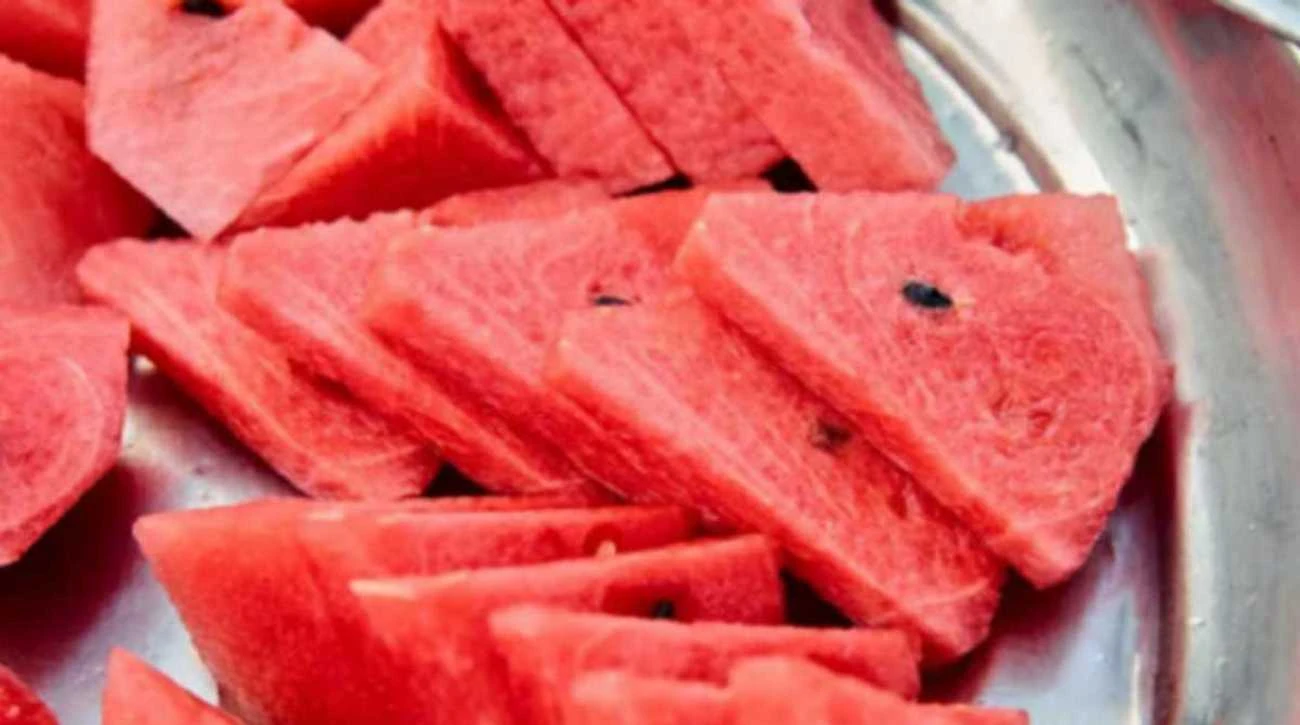
Few people can imagine summer without watermelon. Whether you like the classic red watermelon, the sweet yellow one, or aromatic cantaloupe, they have one thing in common – they’re full of juicy flesh… and seeds. Many people automatically spit them out or remove them, others enjoy the watermelon even with the seeds. But which is actually healthier?
Are watermelon seeds edible? The answer is: yes, and even very beneficial!
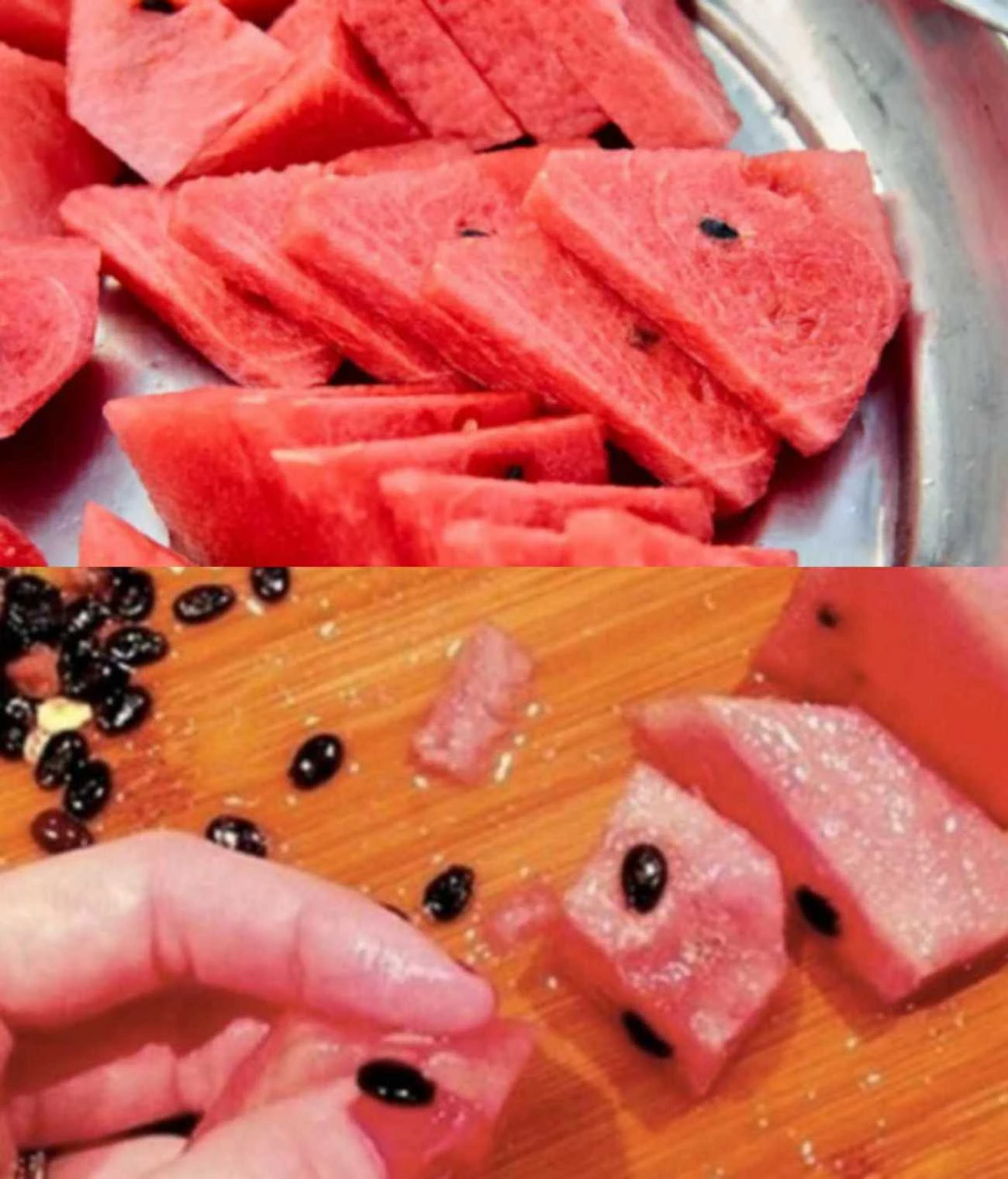
Although watermelon seeds may seem insignificant at first glance, they actually hide a strong nutritional potential. They contain important minerals such as magnesium, zinc and potassium, are rich in B vitamins and also have a low carbohydrate content. So if you enjoy them together with the flesh, you are not harming yourself – quite the opposite.
However, be careful – if the seeds are simply swallowed whole, the body cannot fully digest them. In that case they pass through the digestive tract almost unchanged and the body cannot use the nutrients from them.
How to properly consume watermelon seeds?
The ideal method is to gently roast them in a dry pan – without oil. This way you’ll get not only a tasty but also a very healthy snack. One handful a day can cover up to 35% of the daily magnesium requirement, which is key for a stable heart rhythm, nervous balance and regulation of blood sugar levels.
The seeds also support digestion because they contain fiber that helps cleanse the intestines, reduces bloating and may also contribute to fat burning. In addition, they keep you full for longer and reduce cravings for sweets.
Beware of excessive amounts
As with other seeds, less is sometimes more. A small cup of roasted seeds a day is more than enough. If you ate too many, especially in the raw state, they could instead contribute to constipation or digestive problems.
Watermelon tea: an unconventional way to use the seeds
Did you know that you can also make a digestion-supporting tea from watermelon seeds? Just pour half a liter of hot water over two tablespoons of seeds and let steep for 15 minutes. This infusion helps not only digestion but also provides a pleasant refreshment on hot days.
How to recognize a ripe watermelon? These tips will help you
- A yellow spot on the bottom of the watermelon – the darker it is, the sweeter.
- A hollow sound when tapped – a sign of ripeness.
- A dried stem – the watermelon ripened in the field.
- A shiny rind without cracks – the watermelon is fresh and undamaged.
The watermelon season in the Czech Republic and Slovakia usually lasts from the beginning of July to the end of August, but in good weather it can extend into September.
Summary: Watermelon seeds are not to be thrown away!
Watermelon seeds are not waste. On the contrary – they represent a hidden treasure full of nutrients that can contribute to better digestion, a stable heart and overall vitality. Just prepare and consume them in moderation. And if next time you notice how many seeds a watermelon contains when cutting it, you might not throw them away anymore.
Did you find this information useful? Share the article with friends and follow more healthy tips on iRecept.cz.