Article content
Did you know that the condition of your tongue can hint at what is happening inside your body? You may look in the mirror every day, but you don’t pay much attention to your tongue. Yet it often is the first to show hidden health problems. From digestive issues through hormonal imbalance to more serious diseases. In this article you will learn what a changed color, coating, cracks or unusual texture of the tongue may mean.
Healthy tongue: What should it look like?
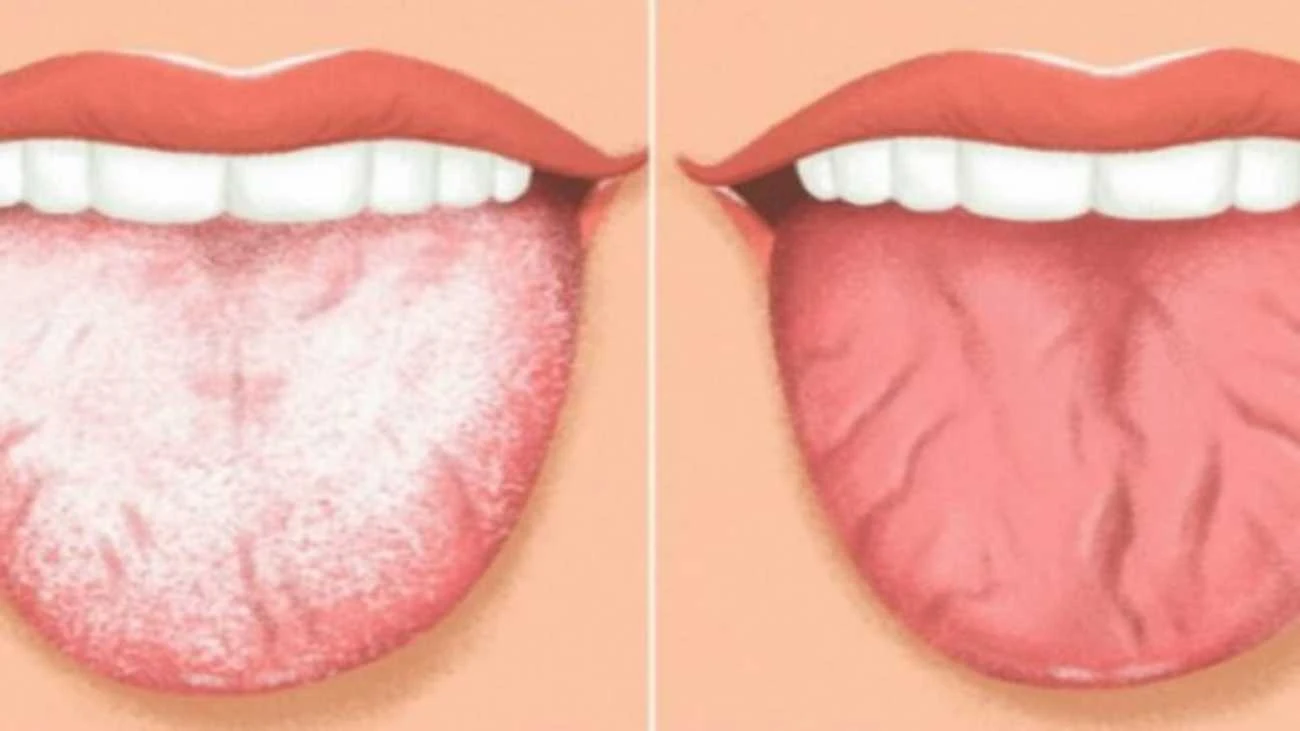
The tongue of a healthy person is soft, pink and evenly moist. The surface has a fine texture formed by the taste buds. It shows no color changes, cracks or pronounced coating. If your tongue looks different, it may be a sign that something is going on in your body.
1) Thick white or yellow coating
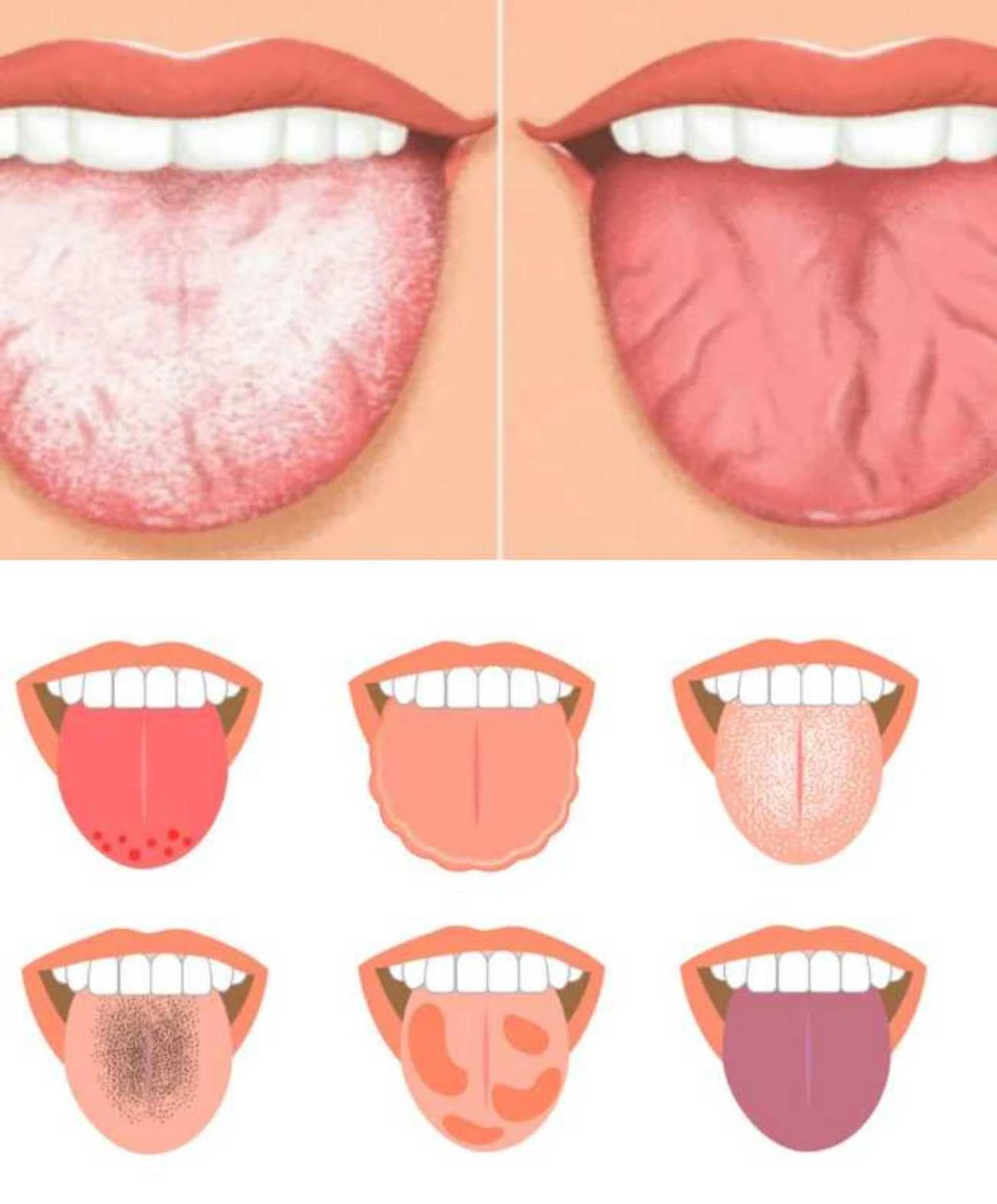
A thick white or yellow coating on the tongue often signals an overgrowth of bacteria or yeasts. It can be a result of weakened immunity, smoking, use of antibiotics or inadequate oral hygiene. If the coating accumulates mainly in the middle, it may indicate problems with the small intestine. A coating in the back suggests issues with the large intestine.
2) White streaks or lines – oral lichen
If white lines or a network appear on the tongue, it may be the so-called oral lichen (lichen planus). This condition is often asymptomatic, but sometimes causes burning and itching. It generally resolves on its own if you avoid tobacco and alcohol.
3) Map-like appearance – geographic tongue
A tongue resembling a map, that is with smooth, red patches that change over time, is usually harmless. This so-called geographic tongue is associated with a genetic predisposition and can be more sensitive to spicy foods, toothpastes or acids. It is not a disease, but an individual trait.
4) Yellow tongue
A yellow layer can be a sign of a yeast infection, especially in children and people with weakened immunity. It often occurs in people who wear braces or during chronic stress. In such a case it is advisable to contact a dentist.
5) Blisters, bruises and sores
Dark spots, bruises or painful sores can be a consequence of mechanical damage – for example burning by a hot drink or biting the tongue. However, if they do not disappear within two weeks, it is necessary to see a doctor, because it may be an early sign of tongue cancer.
6) White dry tongue
A pronounced white layer is often the result of insufficient hygiene, dehydration or excessive alcohol consumption. The solution is thorough cleaning of the tongue, increased water intake and limiting irritants.
7) Cracks and fissures
Microscopic cracks in the back or middle part of the tongue may be a sign of nutrient absorption disorders, food allergies or the “leaky gut” syndrome. Long-standing fissures should be assessed by a specialist.
8) Scalloped tongue – teeth impressions
When tooth-like notches or teeth impressions are visible on the sides of the tongue, it may indicate a problem with the thyroid gland – specifically hypothyroidism. In children this is more common and usually harmless, but in adults a hormonal examination is advisable.
9) Red and painful tongue
A markedly red tongue may signal a deficiency of vitamin B12 or folic acid. Both of these vitamins are crucial for the nervous system, blood formation and immunity. Dietary supplements can be purchased at any pharmacy. If red spots appear that do not disappear, consult a doctor.
10) Black tongue
Although a black tongue looks frightening, in most cases it is nothing serious. It usually involves an accumulation of pigments and bacteria due to inadequate hygiene. It can also be associated with diabetes or the use of certain medications. Thorough cleaning usually resolves the problem.
Warning
This article does not serve as medical advice. In case of health problems always consult a qualified healthcare professional. The text is for informational purposes only and is not intended to replace professional examination or treatment.