Article content
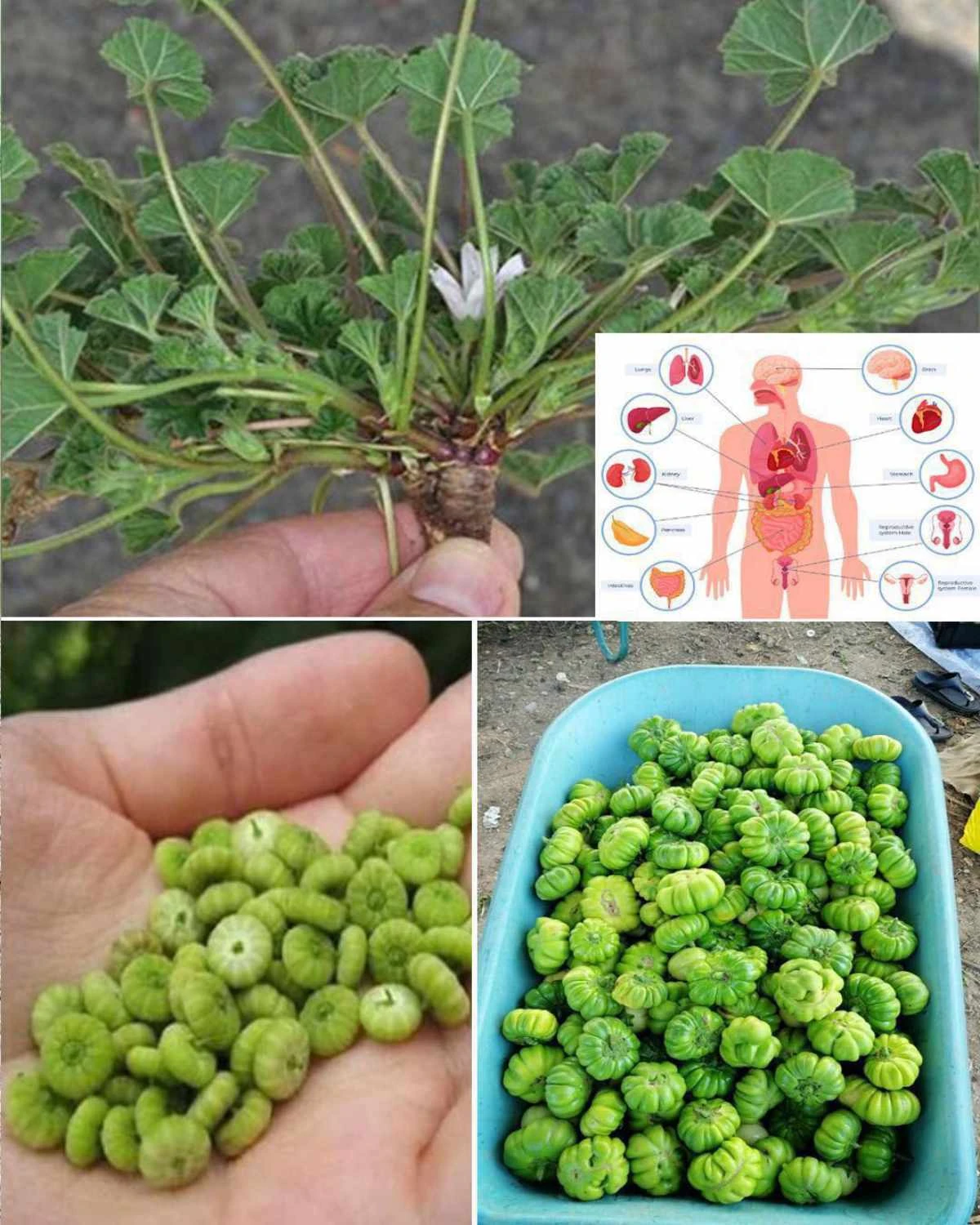
You may know it from meadows, fields or the edge of your garden – the pink-purple wild mallow (Malva sylvestris) is not only a feast for the eyes but also a treasure for your health. This versatile herb hides a power that helps with abdominal pain, colds, inflammations and skin problems. And what’s best? You can easily grow it at home and use it fresh or dried.
1. Soothes digestion and protects the stomach
Mallow is rich in mucilaginous substances that form a gentle protective film on the mucous membranes of the stomach and intestines. It thus helps with stomach irritation, constipation or reflux. A cup of tea made from dried mallow leaves and flowers can be a daily savior for digestive troubles.
2. Relieves cough and colds
It is a natural helper for respiratory problems, coughs and hoarseness. Thanks to its anti-inflammatory and moisturizing effects, mallow helps loosen mucus and relieve irritation. It is recommended as a tea or inhalation during flu season.
3. Heals and hydrates irritated skin
Whether you’re troubled by eczema, dry skin, burns or acne – mallow helps calm irritation and hydrate sensitive skin. A compress made from mallow infusion brings relief from inflammation and itching.
4. Strengthens the immune system
Flavonoids, vitamin C and other antioxidants in mallow help the body defend against infections. Regular consumption of mallow tea thus supports natural immunity without unnecessary chemicals.
5. Aid for urinary tract inflammations
Thanks to its diuretic and antibacterial effects, mallow helps with mild bladder or kidney problems. It is suitable as a complementary treatment or prevention.
6. Eases painful menstruation
A warm infusion before bed can reduce cramps and abdominal pain associated with menstruation. Mallow has gentle anti-inflammatory effects and promotes overall relaxation of the body.
7. Nutritional benefits for the body
Mallow contains vitamins A, C, E, iron, potassium and calcium. It is also popular in the kitchen – for example as a fresh leaf in salads or as a garnish for homemade soup.
8. Easy cultivation for any garden
Mallow likes to grow in the sun, does not require demanding care and pleases as an ornamental plant thanks to its beautiful flowers. It blooms from June to September, so you can harvest it continuously.
How to use mallow in practice?
- Tea from flowers and leaves – 1 teaspoon per cup, steep for 10 minutes
- Compress for the skin – apply a stronger decoction to gauze and place on
- Inhalation – ideal for colds and congestion
- Add to food – fresh leaves to salad or soup
Summary of the benefits of wild mallow
| Area | Use |
|---|---|
| Digestion and stomach | Infusion of leaves and flowers |
| Respiratory tract | Inhalation, tea |
| Skin | Compresses, soothing tea |
| Immunity | Daily fluid intake |
| Menstrual pain | Warm infusion in the evening |
| Urinary tract | Decoction or tea |
| Nutrition | Minerals and vitamins in the kitchen |
Natural treatment within reach
Wild mallow is a beautiful example that the healing power of nature can be simple, accessible and effective. You just need to know when and how to use it. Add mallow to your home medicine cabinet and diet – and you’ll see how this unassuming herb can help with everyday ailments.
Did you enjoy the article? Share it with friends, give it a like and follow us for more herbal tips!
The information provided is for informational purposes only and does not replace medical care.