Article content
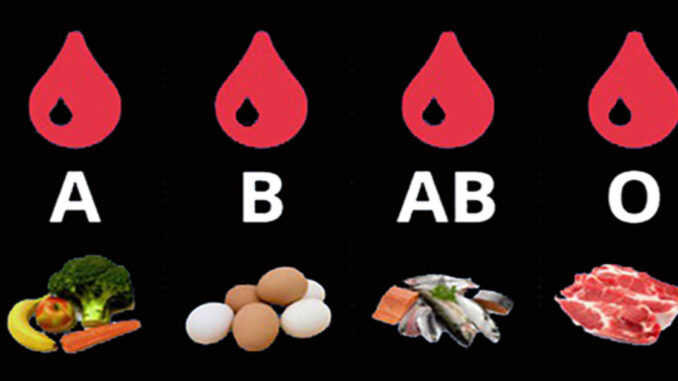
Many people look for ways to maintain an optimal weight while also feeling vital and healthy. One method that is gaining increasing popularity is the so-called blood type diet. This theory claims that, based on your blood type, it is possible to determine which foods are beneficial for you and which you should limit to prevent overweight and health problems. Let’s look at how this theory works and which foods you should consume or avoid according to your blood type.
How does the blood type diet work?
The blood type diet theory was first introduced by American physician Peter D’Adamo. According to him, each blood type has specific genetic predispositions that affect the digestion of certain kinds of foods. The main idea is that different blood types evolved during different periods of human history, and therefore each digests a different type of diet better.
Blood type O – Hunter
People with blood type O are considered descendants of ancient hunters who primarily ate meat. This group therefore tends to digest animal proteins better.
Recommended foods:
- Meat: beef, lamb, veal, game, turkey, chicken
- Fish and seafood: cod, salmon, mackerel, trout, sardines
- Vegetables: broccoli, spinach, kale, chard, artichokes, garlic, onion
- Fruits: plums, figs, pears, cherries, apples, apricots
- Nuts and seeds: walnuts, pumpkin seeds
- Oils: olive oil, flaxseed oil
- Herbs and spices: turmeric, ginger, cayenne pepper, parsley
Foods to avoid:
- Grains: wheat, oats, corn, rye
- Legumes: lentils, beans, soy
- Dairy products: cow’s milk, cheese, butter
- Fruits: oranges, strawberries, melons
- Vegetables: cabbage, cauliflower, potatoes
- Nuts: cashews, pistachios
- Beverages: coffee, black tea, alcohol
People with this blood type often have weight problems if they consume large amounts of carbohydrates and grains. Their metabolism is most effective on a protein-rich diet.
Blood type A – Farmers
Blood type A appeared later when people began practicing agriculture. This group is therefore adapted primarily to a plant-based diet.
Recommended foods:
- Vegetables: broccoli, spinach, carrots, cucumber, garlic, onion
- Fruits: blueberries, strawberries, grapefruit, lemons, pears
- Grains: wheat, buckwheat, quinoa, rolled oats, rice
- Legumes: soy, lentils, mung beans
- Nuts and seeds: almonds, sunflower seeds, pumpkin seeds
- Oils: olive oil, flaxseed oil
- Herbs and spices: basil, oregano, turmeric, ginger
Foods to avoid:
- Meat: beef, pork, lamb
- Fish: herring, anchovies, catfish
- Dairy products: butter, full-fat milk, hard cheeses
- Grains: wheat, wheat bread, semolina, corn, cornmeal
- Vegetables: tomatoes, bell peppers, eggplant
People with this blood type can gain weight if they consume large amounts of animal fats and dairy products. A vegetarian or semi-vegetarian diet is ideal for them.
Blood type B – Nomads
Blood type B arose during periods when people began to migrate. It has a very versatile metabolism that can process a wide range of foods.
Recommended foods:
- Meat: lamb, beef, rabbit, game
- Fish: cod, trout, salmon, mackerel
- Dairy products: kefir, yogurt, sheep’s cheese, goat’s cheese
- Vegetables: broccoli, eggplant, sweet potatoes, kale, carrots
- Fruits: bananas, pineapple, cranberries, plums, apples
- Grains: oats, rice, millet, spelt
- Nuts and seeds: walnuts, flaxseeds
- Herbs and spices: turmeric, ginger, cinnamon, parsley
Foods to avoid:
- Meat: chicken, pork, bacon
- Fish: roundworms, anchovies, lentils
- Grains: buckwheat, wheat, corn
- Vegetables: tomatoes, olives, corn
- Fruits: pomegranate, avocado
This group can gain weight if it consumes large amounts of corn, buckwheat and wheat, because these foods slow metabolism and cause water retention.
Blood type AB – Mysterious
Blood type AB is the rarest and resulted from the combination of blood types A and B. People with this type can consume foods recommended for both groups, but with certain limitations.
Recommended foods:
-
- Fish and seafood: salmon, trout, mackerel, cod, sardines
- Meat: lamb, rabbit, turkey
- Dairy products: kefir, yogurt, goat’s cheese, sheep’s cheese, low-fat milk
- Grains: oats, rice, millet, spelt
- Vegetables: broccoli, kale, cucumber, eggplant, sweet potatoes, spinach
- Fruits: cherries, pears, apples, grapes, figs, berries (blueberries, raspberries, strawberries)
- Nuts and seeds: walnuts, flaxseeds, sunflower seeds
Herbs and spices:
- garlic, ginger, turmeric, parsley, cinnamon
Foods to avoid:
- Meat: beef, pork, bacon, ham
- Fish: catfish, anchovies, herring
- Dairy products: full-fat milk, hard cheeses, cream
- Grains: corn, buckwheat, wheat
- Vegetables: tomatoes, radishes, bell peppers
People with this blood type may be sensitive to caffeine, gluten and some dairy products. Different foods affect their metabolism differently, so they should choose a balanced meal plan with an emphasis on healthy fats and proteins.