Article content
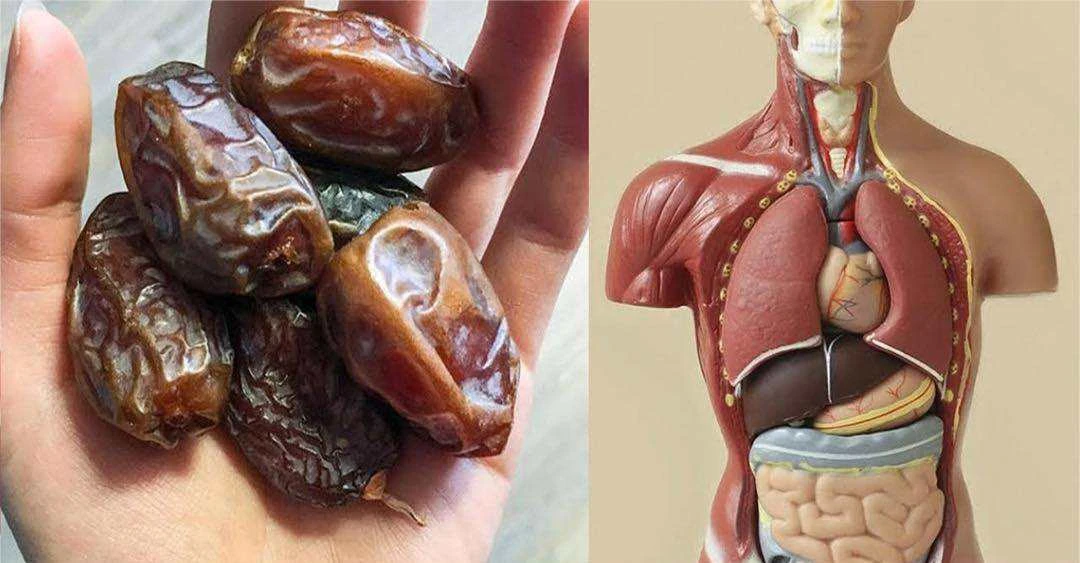
Datle are the sweet fruits of the date palm, considered the “bread of the desert” in the Middle East. Here they often appear only at Christmas, yet they are an accessible ingredient full of nutrients that provides energy, supports digestion and makes it easier to prepare healthy desserts without refined sugar.
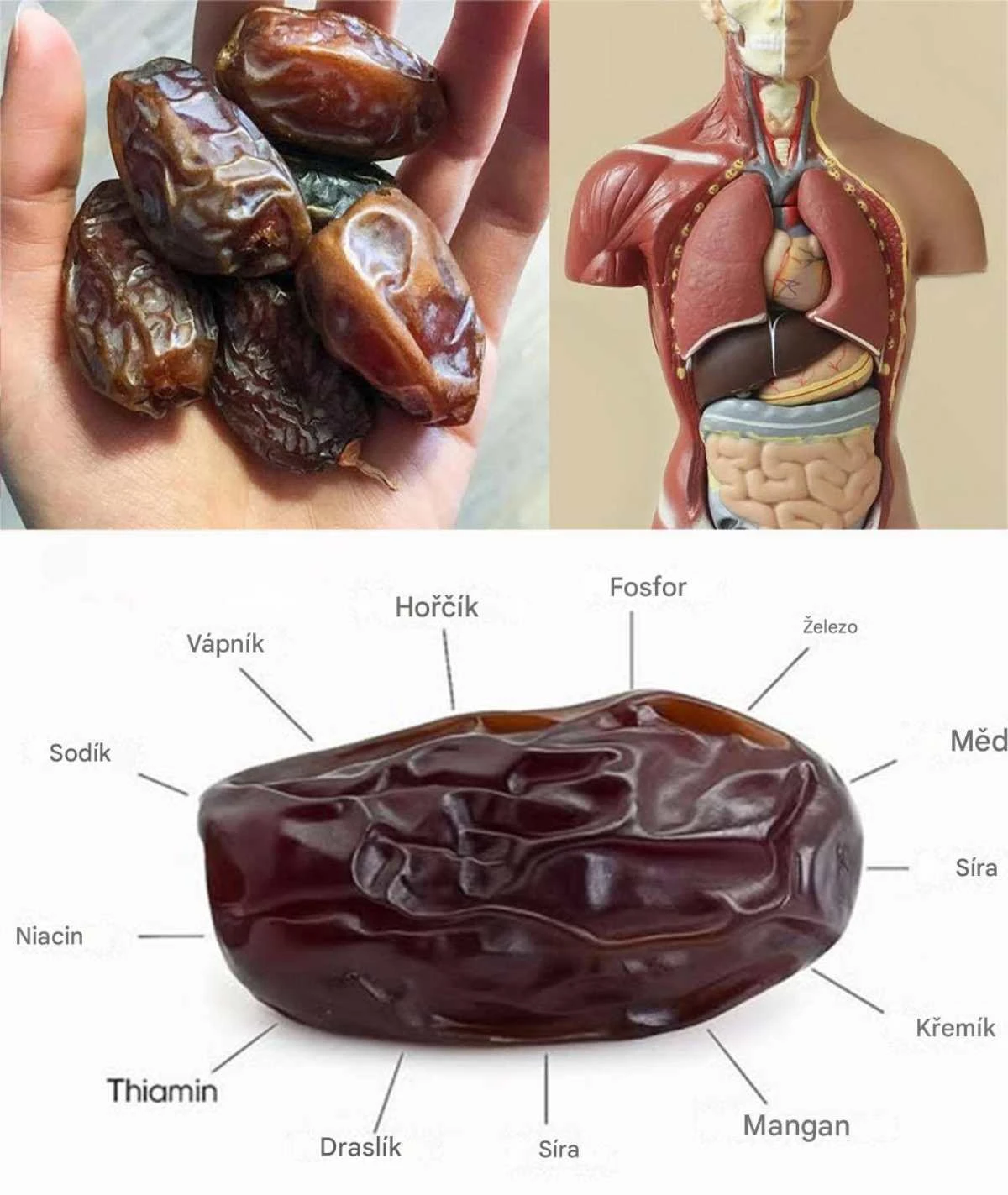
What dates contain and why they are so valuable
- Natural sugars (glucose, fructose, sucrose) – a quick and natural dose of energy.
- Fiber – supports the gut microbiome, regular bowel movements and longer satiety.
- Vitamins (B-complex, K, A) – for the nervous system, vision, skin and blood clotting.
- Minerals (potassium, magnesium, iron, calcium, phosphorus) – for the heart, muscles and strong bones.
- Antioxidants – protect cells from oxidative stress.
Health benefits with regular consumption
- Better digestion – fiber helps prevent constipation and cares for the gut microbiome.
- Support for the heart and blood pressure – potassium contributes to proper blood pressure and heart rhythm.
- Immunity and vitality – the combination of vitamins, minerals and antioxidants strengthens defenses.
- Energy and focus – quick sugars + micronutrients = fuel for the brain and muscles.
- Blood and bones – iron helps oxygen transport, calcium and phosphorus support bone health.
How many dates per day and when to eat them
Generally 3–7 dates per day are enough (depending on energy needs). They are great:
- in the morning with breakfast (porridge, yogurt, smoothie),
- before training as a quick source of energy,
- in the afternoon as a healthy snack instead of sweets.
How to include dates in your everyday diet
- In breakfasts: chop into oatmeal, yogurt or homemade granola.
- As a natural sweetener: blend into a date paste and replace sugar in doughs or creams.
- Raw desserts: blend with nuts, cocoa and coconut into balls/bars.
- Stuffed dates: with peanut/almond butter, quark or cheese (goat, Balkan).
- For baking: chopped into gingerbread, loaves, bundt cakes; also excellent in banana bread.
- Date syrup: in tea, dressings or marinades – choose a quality 100% syrup without additives.
Tips for buying and storage
- Prefer unsulphured dates without added sugar (read the ingredients).
- Varieties Medjool and Deglet Nour – Medjool is soft and creamy, Deglet has a firmer texture.
- Store in a sealed container, in a cool dry place; soft dates can be kept in the refrigerator.
- Before blending, soak dates for 10–15 minutes – the paste will be smoother.
What to watch out for
- Higher content of natural sugars: with diabetes or insulin resistance consult the amount with your doctor or a nutrition therapist.
- Allergies/intolerances: rare but possible – if you have issues, limit or eliminate them.
- Remaining pits: always check pitted dates before putting them in the blender.
Why dates should not be missing from Czech cuisine
Dates are affordable, versatile and fit perfectly into traditional and modern recipes. They enrich breakfasts, snacks and baking, while replacing refined sugar with a more nutritious option. Add a few dates a day and you will see a difference in energy, taste and digestive comfort.
Conclusion
Datle are a small big helper: they provide energy, support digestion, strengthen immunity and make creating healthy desserts easier. Give them a chance beyond the holidays – they deserve a permanent place in your kitchen.
Klíčová slova: dates, nutrition, energy, healthy desserts