
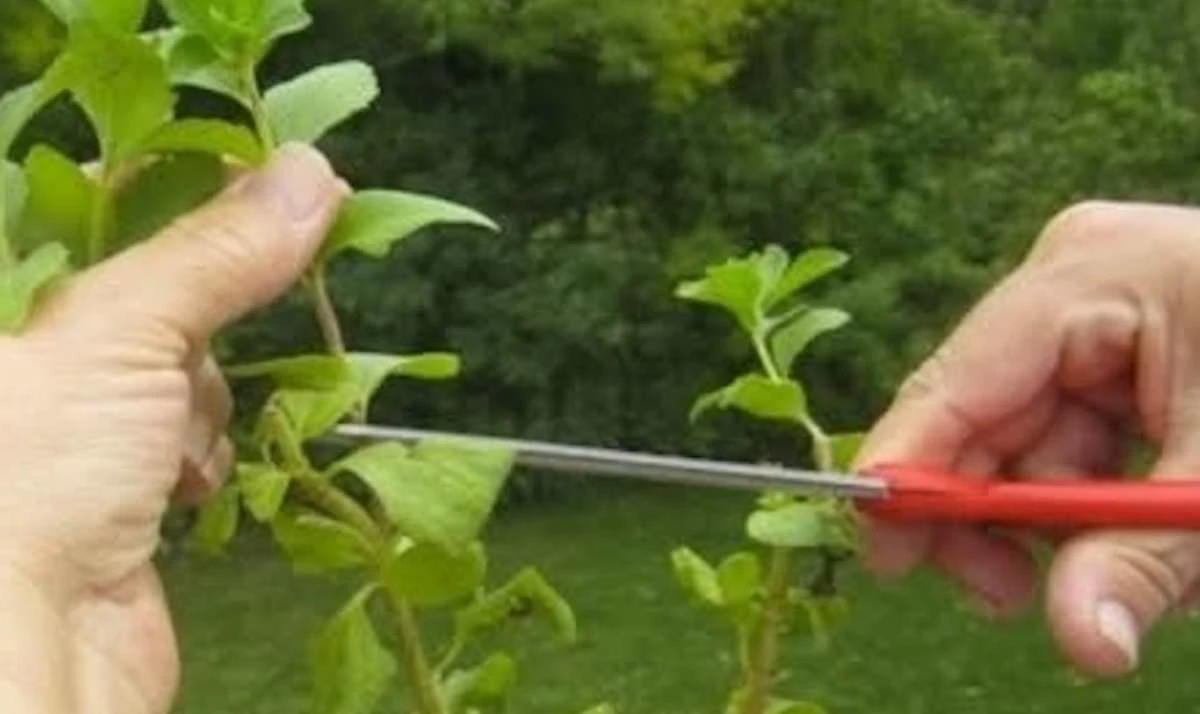
Article content
The craving for a cigarette is a combination of nicotine dependence and learned rituals – a break, coffee, hand to mouth. That’s why quitting is hard even for the determined. In recent years there’s often a tip about stevia (Stevia rebaudiana): supposedly it “immediately suppresses the urge to smoke.” How does stevia really measure up, how to use it meaningfully and what should you watch out for?
What we really know about stevia
- Safety and dose limits: for steviol glycosides an acceptable daily intake (ADI) of 0–4 mg/kg body weight/day in steviol equivalents has been set. With normal use stevia is considered safe for adults.
- Common benefits: helps reduce sugar intake without calories, is suitable for sweetening drinks and food, has minimal effect on glycemia.
- Craving for a cigarette: clinical evidence that stevia reliably suppresses nicotine cravings is still lacking. It can, however, serve as a ritual replacement – a change of taste in the mouth at a critical moment.
- Male fertility: animal studies are inconclusive; convincing human data are lacking. Stick to reasonable doses within the ADI.
How to incorporate stevia when quitting (practically)
1) A “stopper” for automatically reaching for a cigarette
Whenever a craving comes (after a meal, with coffee, under stress): drop 2–3 drops of liquid stevia on your tongue or drink water/weak tea sweetened with stevia. The goal is a quick change of taste and a micro-ritual instead of lighting up.
2) Daily sugar replacement
Replace sugar in coffee/tea, yogurt, porridge with stevia (drops, powder, tablets). Less sugar = smaller energy swings and fewer triggers that often lead to a cigarette “for a boost.”
3) “Anti-cigarette” drink to take with you
Add a few drops of stevia and lemon to a bottle of water. Keep it handy in the car, at meetings, on long drives – typical smoking triggers.
4) A new after-meal ritual
Instead of a cigarette: herbal tea lightly sweetened with stevia + a short walk or tooth brushing. Create a replacement habit.
Recommended forms and dosing
- Liquid extract (drops): the fastest and most practical “craving stopper.”
- Powder/tablets: for coffee, tea, desserts and baking.
- How much is reasonable? Use the ADI as a guide. Example: for a 70 kg adult approximately up to 280 mg steviol equivalents/day. Labels usually list glycoside content; follow the manufacturer’s recommendations and don’t overdo the doses.
What to add so it really works
- Nicotine replacement therapy (NRT): lozenges, patches, inhaler – help address the physical component of dependence.
- Prescription medications: varenicline, bupropion – consult a doctor.
- Brief counseling/coaching: significantly increases the chance of success.
- Trigger plan: write in advance what you will do instead of a cigarette (drinking, breathing exercises, walking, stevia drops).
Frequently asked questions
Can stevia “cure” addiction?
No. It is a useful aid for managing cravings and replacing sugar, but addiction is addressed by a combination of NRT/medications and working on habits.
Is stevia safe?
When used within acceptable doses it is considered safe. Check labels, choose products with pure steviol glycosides and without unnecessary fillers.
How quickly does it work on “craving”?
For many people an immediate change of taste in the mouth helps. If the craving persists, use a tactical double combination: drink/stevia + short physical activity (walking, breathing).
How to choose and store stevia
- Selection: clear composition (steviol glycosides – e.g., rebaudioside A/M), no unnecessary additives; try several brands for taste.
- Storage: keep dry, dark and cool; tightly close liquid extracts after opening.
Safety and contraindications
- If you are pregnant, breastfeeding, have low blood pressure, or take medications for diabetes or hypertension, consult your doctor.
- If allergic to plants in the Asteraceae family, be cautious.
- Stevia does not replace professional addiction treatment or prescribed medications.
Conclusion: a smart aid for the “I’m not smoking” plan
Stevia alone won’t “turn off” smoking, but it can simplify critical moments: blunt the craving, replace sugar and support a new ritual. Combine it with methods that have proven effects (NRT, medications, coaching) and with a concrete trigger plan. That’s a combination that makes sense — for your health and your wallet.