
Article content
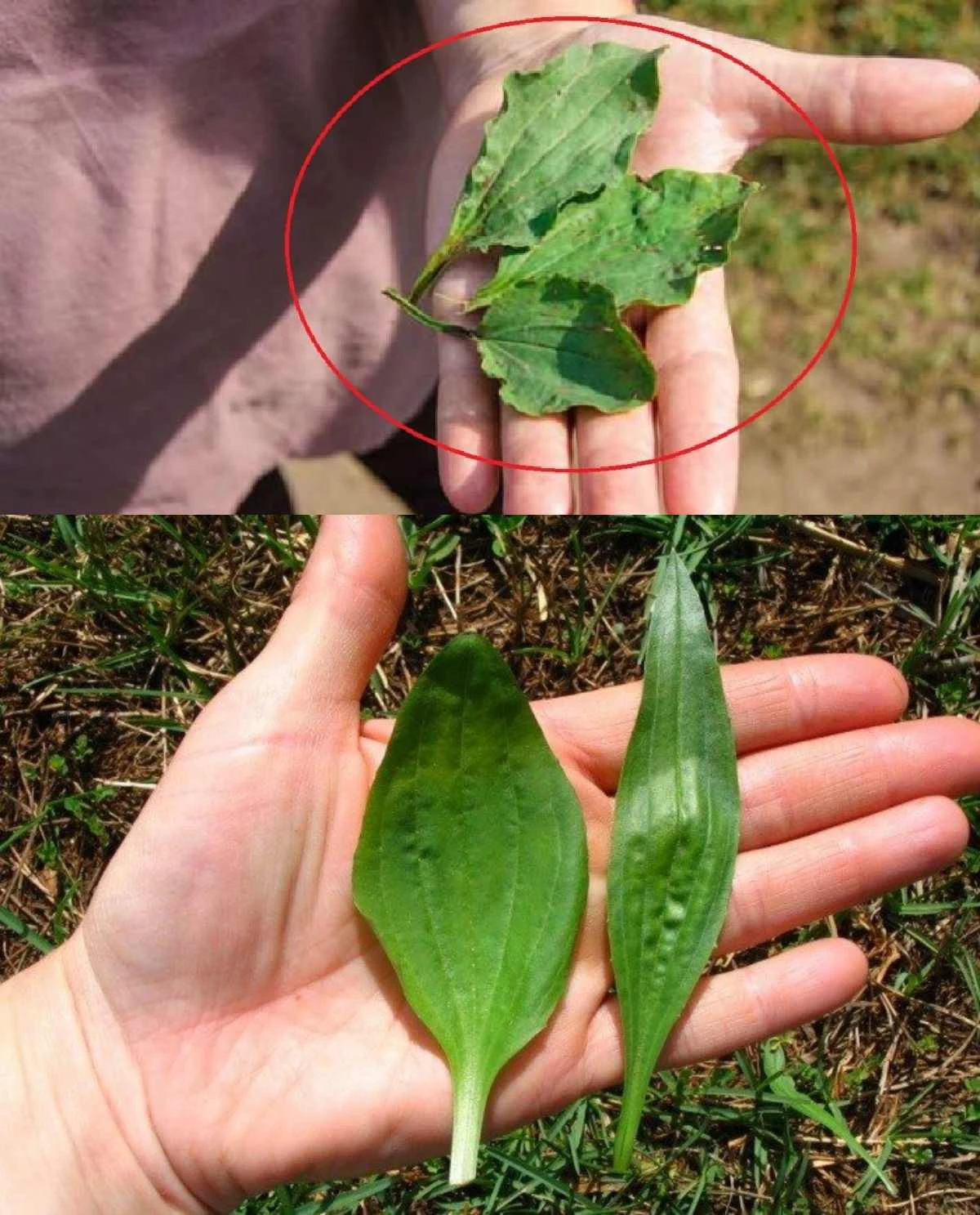
At first glance it looks like an ordinary weed. Many pull it out of the garden without thinking, not realizing they have just thrown away one of the most powerful natural remedies. We’re talking about plantain – a plant that people have used for centuries for various health problems. The best known is ribwort plantain, but the greater plantain also has strong medicinal properties.
What does plantain contain and why is it so exceptional?
The leaves of plantain contain large amounts of calcium, beta-carotene, vitamins C and K, and also strong healing agents. Thanks to this, plantain has antimicrobial, anti-inflammatory, diuretic, expectorant and hemostatic effects.
How plantain helps
- Supports the respiratory system – ideal for colds, coughs or bronchitis.
- Heals wounds and irritated skin – fresh plantain leaves help heal small wounds and insect bites.
- Helps with digestion – also suitable for irritated mucous membranes or when taking antibiotics.
- Soothes inflammations – helps with oral infections as well as external inflammations.
- Helps with weight loss – plantain seeds (psyllium) support digestion and the feeling of fullness.
- Toothaches and hemorrhoids – powder from the plantain root can be applied directly to painful areas.
How to use plantain in practice
- Fresh leaves can be added to salads or chewed.
- Tea: 1 teaspoon of dried leaves per 250 ml of water, bring to a boil, let steep.
- Syrup: two handfuls of leaves, 300 g of cane sugar, 250 g of honey, a little water. Boil until thickened and store in a cool place.
- Poultice: juice from the leaves or an extract mixed with cream is applied to the skin.
What to watch out for
If you decide to gather plantain yourself, avoid roadsides or areas where the soil may be contaminated. It is best to grow plantain in your own garden.
Conclusion
Plantain is not an ordinary weed. It is a valuable aid in natural medicine that should not be missing from any household. Whether you use it as a tea, syrup, or poultice, its effects will surprise you.